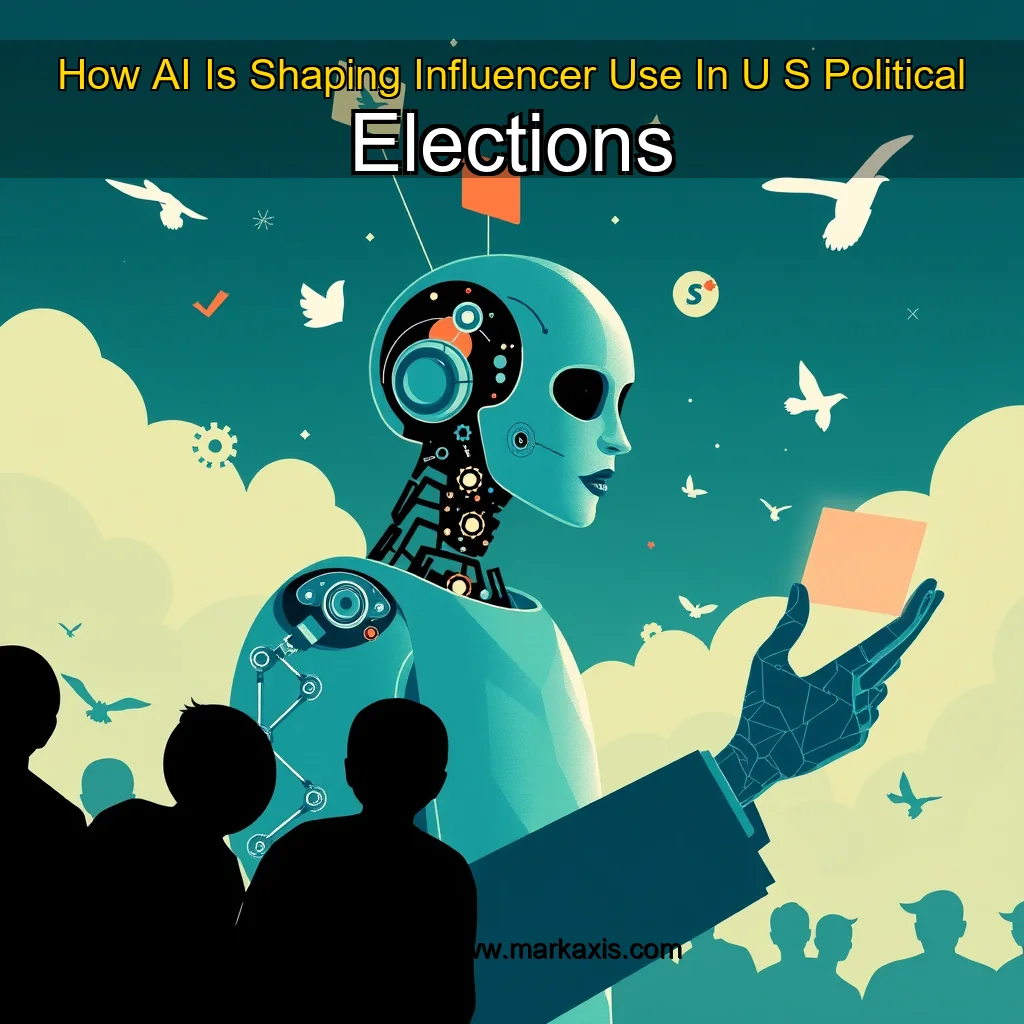
Partnering with influencers to amplify messages and reach new audiences.
The Biden campaign partnered with popular podcasters and YouTubers to reach a wider audience. These collaborations not only helped to amplify their messages but also provided valuable insights into the demographics and interests of their target audiences.
Understanding the Power of Influencer Marketing
Influencer marketing has become a crucial component of modern political campaigns. By leveraging the influence and credibility of social media personalities, campaigns can effectively reach and engage with their target audiences. This approach has proven to be particularly effective in the digital age, where online platforms have become the primary means of communication for many voters.
Benefits of Influencer Marketing
The Art of Influencer Collaboration
Effective influencer collaboration requires a deep understanding of the influencer’s audience, values, and content style. Campaigns must carefully select influencers who can help them achieve their goals, whether it’s to raise awareness, drive engagement, or mobilize support.
Key Considerations for Influencer Collaboration
But what drives this shift in marketing strategies?
The Rise of Influencer Marketing
Influencer marketing has become a mainstream phenomenon, with brands partnering with social media personalities to reach their target audiences. This shift can be attributed to several factors, including the growing importance of social media, the increasing fragmentation of audiences, and the need for more effective and measurable marketing strategies.
Key Drivers of the Shift
However, when it comes to brand partnerships, the line between authenticity and manipulation can become blurred.
The Blurred Line Between Authenticity and Manipulation
Influencers have become a crucial part of political campaigns, with many brands partnering with social media personalities to reach specific demographics. However, this partnership can be a double-edged sword. On one hand, influencers can provide a platform for brands to connect with their target audience in a more relatable and authentic way. On the other hand, the line between authenticity and manipulation can become blurred, potentially alienating voters. The Risks of Manipulation
- Lack of transparency: Brands may not clearly disclose their involvement with influencers, leading to a lack of transparency and trust among voters. Influencer bias: Influencers may have a biased perspective, which can influence their endorsement of a particular brand or candidate. * Overemphasis on sales: Brands may prioritize sales over authenticity, leading to a focus on promoting products rather than engaging with voters. ## The Importance of Authenticity**
- Increased trust: Authenticity can increase trust among voters, as they perceive the brand or candidate as genuine and transparent. Improved engagement: Authenticity can lead to improved engagement, as voters are more likely to engage with content that resonates with them.
This has led to a shift in the way campaigns approach influencer marketing.
AI-Powered Influencer Marketing: Revolutionizing Campaigns
The Rise of AI in Influencer Marketing
In recent years, artificial intelligence (AI) has become an indispensable tool in the influencer marketing landscape.
As AI-generated content became increasingly prevalent, the lines between human and machine-generated content blurred, making it challenging for voters to discern fact from fiction.
The Rise of AI-Generated Content in Politics
The 2024 elections marked a significant turning point in the use of AI-generated content in politics. Campaigns leveraged AI tools to create personalized messages, automate social media posts, and even generate entire campaign slogans. This shift towards AI-driven content creation was driven by the desire to reach a wider audience and increase voter engagement.
Authenticity is key to influencer marketing success.
Here are some key takeaways from the latest trends in influencer marketing:
Building Trust through Authenticity
Influencer marketing has long been criticized for its lack of transparency and authenticity. However, with the rise of AI-powered tools, campaigns are now focusing on building trust through authenticity. This means that influencers are being encouraged to be more genuine and transparent in their content creation process. Key characteristics of authentic influencers include:
- Being vulnerable and open about their personal experiences
- Sharing their genuine opinions and perspectives
- Collaborating with other influencers who share similar values
- Personalization: AI can help create highly personalized content that resonates with specific audiences, increasing engagement and conversion rates. Efficiency: AI can automate many tasks, such as content creation, scheduling, and tracking, freeing up time for more strategic and creative work. Scalability: AI can help brands reach a wider audience, making it easier to scale campaigns and achieve broader reach. However, the use of AI in influencer marketing also raises important questions about authenticity and control. As AI-generated content becomes more prevalent, it’s becoming increasingly difficult to distinguish between human and machine-generated voices. ### The Authenticity Paradox**
- Lack of transparency: AI-generated content can be difficult to identify, making it challenging for consumers to trust the authenticity of influencer voices. Homogenization of content: The use of AI can lead to a homogenization of content, making it harder for brands to stand out and differentiate themselves. Risk of manipulation: The use of AI can also lead to the manipulation of consumer emotions and opinions, potentially undermining the integrity of the influencer marketing ecosystem. ### Balancing Authenticity and Control**
- AI algorithms can analyze vast amounts of data to identify patterns and trends in public opinion. This information can be used to create targeted propaganda campaigns that resonate with specific demographics. AI-powered propaganda can be more effective than traditional forms of propaganda, as it can be tailored to individual preferences and behaviors.
news is a contributor at MarkAxis. We are committed to providing well-researched, accurate, and valuable content to our readers.
You May Also Like
Leveraging AI for Better Campaigns
AI-powered tools are being used to enhance the effectiveness of influencer marketing campaigns.
AI is revolutionizing influencer marketing, but authenticity and control remain key concerns.
The Rise of AI in Influencer Marketing
The 2024 election season is set to be a pivotal moment in the history of influencer marketing, with the increasing use of artificial intelligence (AI) set to revolutionize the way campaigns are created, executed, and measured. As AI technology continues to advance, it’s becoming increasingly clear that its role in influencer marketing will be a game-changer.
The Benefits of AI in Influencer Marketing
The Authenticity Paradox
Balancing Authenticity and Control
To address these concerns, it’s essential to strike a balance between the benefits of AI and the need for authenticity and control.
As AI technology advances, it will increasingly be used to analyze and manipulate public opinion, potentially altering the dynamics of political influence. Here are some key points to consider:
The Rise of AI-Powered Propaganda
The Importance of Authenticity
Authenticity is crucial in political campaigns, as it helps build trust and credibility with voters. Influencers who maintain their authenticity can provide a unique perspective and voice that resonates with their audience. However, when brands partner with influencers, it’s essential to ensure that the partnership is genuine and not manipulative. Benefits of Authenticity