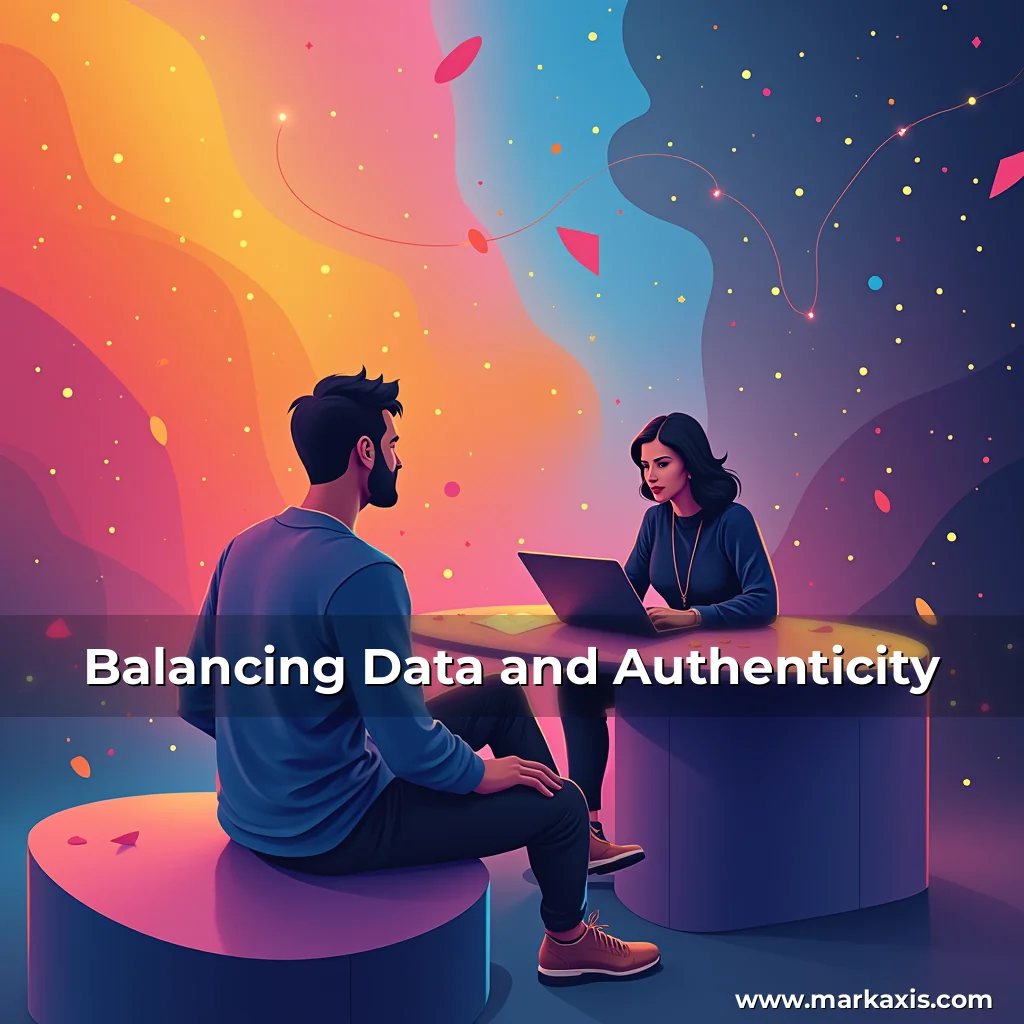
When it comes to using AI in advertising, there are concerns about its impact on the authenticity of marketing. However, AI is a powerful tool for brands trying to reach a market of one, allowing them to take a deep dive into market trends and user preferences. This can be seen as a challenge for creatives, but a market researcher’s dream. A survey measuring consumers’ comfort with brands using AI found a drop from 57% in 2023 to 46% in 2024. This suggests that consumers are becoming increasingly wary of AI-generated content. Luzuko Tena, IAB SA youth action council chair, has held senior roles in social media, brand, and advertising. He believes that the next generation of marketers has two tricky but exciting roles: to be data-driven and to use insights, performance metrics, and audience signals to guide their decision-making. However, Tena also emphasizes the need for marketers to stay grounded and get in touch with the human side of marketing. He says: “I think the next generation of marketers has two very tricky, but also exciting roles. On the one side, there’s an expectation to be data-driven, to use insights, to use performance metrics and audience signals, to guide a lot of their decision-making. But, on the flipside, there’s also a need to stay really grounded and get in touch with the human side of marketing.”
Anele Maphanga, PR and influencer lead at Unilever, believes that an influencer is seen as authentic when they create content with a purpose. She feels that an influencer should stand for something, whether it’s mental health, sustainability, or cultural storytelling. Maphanga says: “I think you have to stand for something, whether it’s mental health, sustainability or cultural storytelling. Who are you beyond the product partnerships?”
Lineo Msimka, marketing trends specialist at The Foschini Group, agrees that streaming is the ultimate in authentic online content. She says: “It asks you to come as you are. It asks you to be natural.” By its very nature, streaming is unfiltered and real. Msimka cites streamer Kai Cenat, who went from recording comedic videos alone in his bedroom to hosting celebrity guests and having more than 18 million followers. Pierre Cassuto, global CMO at Humanz, a collaborative creator marketing platform, believes that audiences can see right through it when influencer content is scripted. He says: “Marketers shouldn’t treat influencers as machines, expecting them to toe the line and repeat the brand message word for word. Instead, they should be allowed to speak in their own voices, lending their personalities to the product.”
Cassuto also emphasizes the importance of creating communities on social media. He says: “People don’t scroll to learn what they already know; they scroll to be moved, to be surprised, to feel something real.” Cassuto advises brands to tap into existing conversations and add value, rather than throwing a party that no one asked for. He explains that it’s not about bringing the consumer into your space but adding value to theirs. When is AI alright? Part of the appeal of using AI is that it’s more cost-effective in some situations. Cassuto says that AI content sells faster, smarter, and cheaper, and converts better than humans do. However, Maphanga suggests that using AI depends on the context. For example, the cornerstone of the Unilever Dove campaign is celebrating real beauty and real women, so they would never use AI-generated images of women; when it comes to product images, there’s no problem. There’s no fooling younger consumers when it comes to AI, either. They can spot computer-generated content a mile away. However, this doesn’t mean marketers and brands have to eliminate it to regain their trust. The solution lies not in choosing between data and storytelling, but combining them into a human-centred approach that brings authenticity that consumers can feel.
The Influencer Game
The influencer game is a complex one. While some consumers may be suspicious of AI-generated influencers, real-life spokespeople can also be seen as antithetical to authenticity. However, PR and influencer lead at Unilever, Anele Maphanga, believes that an influencer is seen as authentic when they create content with a purpose. Maphanga says: “I think you have to stand for something, whether it’s mental health, sustainability or cultural storytelling. Who are you beyond the product partnerships?” She feels that an influencer should have a clear message or cause that they’re passionate about. This can make their content more relatable and engaging. Lineo Msimka, marketing trends specialist at The Foschini Group, agrees that streaming is the ultimate in authentic online content. She says: “It asks you to come as you are. It asks you to be natural.” By its very nature, streaming is unfiltered and real. Msimka cites streamer Kai Cenat, who went from recording comedic videos alone in his bedroom to hosting celebrity guests and having more than 18 million followers. Pierre Cassuto, global CMO at Humanz, a collaborative creator marketing platform, believes that audiences can see right through it when influencer content is scripted. He says: “Marketers shouldn’t treat influencers as machines, expecting them to toe the line and repeat the brand message word for word. Instead, they should be allowed to speak in their own voices, lending their personalities to the product.”
Cassuto also emphasizes the importance of creating communities on social media. He says: “People don’t scroll to learn what they already know; they scroll to be moved, to be surprised, to feel something real.” Cassuto advises brands to tap into existing conversations and add value, rather than throwing a party that no one asked for. He explains that it’s not about bringing the consumer into your space but adding value to theirs.
Creating Communities
Creating communities on social media is a delicate balance. Cassuto says: “People don’t scroll to learn what they already know; they scroll to be moved, to be surprised, to feel something real.” Cassuto advises brands to tap into existing conversations and add value, rather than throwing a party that no one asked for. He explains that it’s not about bringing the consumer into your space but adding value to theirs. Cassuto emphasizes the importance of creating communities on social media. He says: “You can’t just create a community around your brand. You have to add value to people’s lives. You have to be relevant to their interests and passions. You have to be a part of their conversations and add something new and interesting to the mix.”
When is AI alright? Part of the appeal of using AI is that it’s more cost-effective in some situations. Cassuto says that AI content sells faster, smarter, and cheaper, and converts better than humans do. However, Maphanga suggests that using AI depends on the context. For example, the cornerstone of the Unilever Dove campaign is celebrating real beauty and real women, so they would never use AI-generated images of women; when it comes to product images, there’s no problem. There’s no fooling younger consumers when it comes to AI, either. They can spot computer-generated content a mile away. However, this doesn’t mean marketers and brands have to eliminate it to regain their trust. The solution lies not in choosing between data and storytelling, but combining them into a human-centred approach that brings authenticity that consumers can feel.
The Human Touch
The human touch is essential in marketing. While AI can provide instant access to information, humans inspire. Cassuto says: “People don’t scroll to learn what they already know; they scroll to be moved, to be surprised, to feel something real.” Cassuto advises brands to tap into existing conversations and add value, rather than throwing a party that no one asked for. He explains that it’s not about bringing the consumer into your space but adding value to theirs. Cassuto emphasizes the importance of creating communities on social media. He says: “You can’t just create a community around your brand. You have to add value to people’s lives. You have to be relevant to their interests and passions. You have to be a part of their conversations and add something new and interesting to the mix.”
When is AI alright? Part of the appeal of using AI is that it’s more cost-effective in some situations. Cassuto says that AI content sells faster, smarter, and cheaper, and converts better than humans do. However, Maphanga suggests that using AI depends on the context. For example, the cornerstone of the Unilever Dove campaign is celebrating real beauty and real women, so they would never use AI-generated images of women; when it comes to product images, there’s no problem. There’s no fooling younger consumers when it comes to AI, either. They can spot computer-generated content a mile away. However, this doesn’t mean marketers and brands have to eliminate it to regain their trust. The solution lies not in choosing between data and storytelling, but combining them into a human-centred approach that brings authenticity that consumers can feel.
Conclusion
The use of AI in advertising is a complex issue. While it can provide instant access to information and be more cost-effective in some situations, it also raises concerns about authenticity. However, by combining data and storytelling into a human-centred approach, marketers and brands can bring authenticity that consumers can feel. The key is to add value to people’s lives, be relevant to their interests and passions, and be a part of their conversations. By doing so, marketers and brands can create a more authentic and engaging experience for their customers.

news is a contributor at MarkAxis. We are committed to providing well-researched, accurate, and valuable content to our readers.