
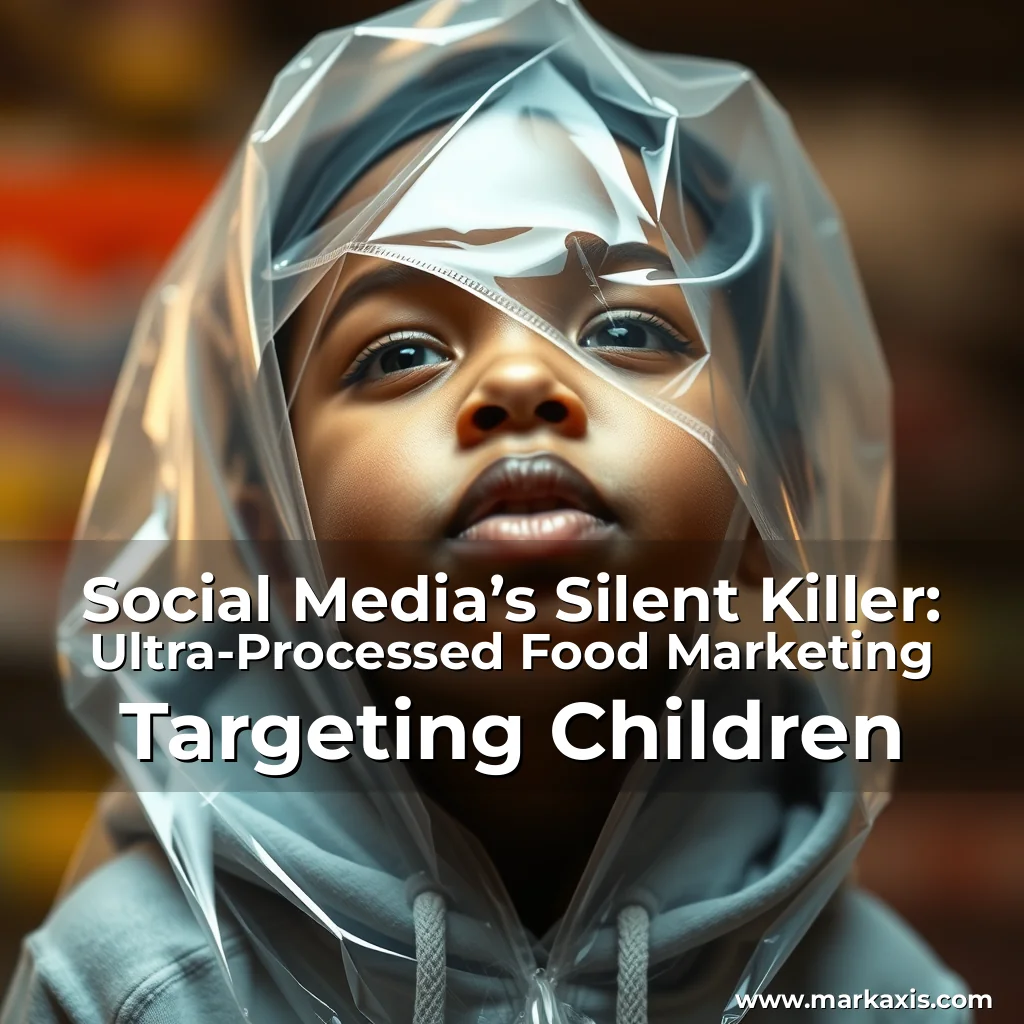
A Hidden Influence: How Algorithms Shape Unhealthy Diets
Social media platforms like TikTok, Instagram, and YouTube have been found to exploit behavioral tracking and algorithmic learning to deliver ads targeting youth. These ads often blend seamlessly into games, quizzes, and influencer posts, making it challenging for children to distinguish marketing from organic content.
- For instance, videos showcasing sugary snacks during live streams or “unboxing” videos of fast-food meals normalize junk food consumption.
- These tactics are so subtle that even when parental controls are applied, exposure persists.
The Digital Marketing Arms Race Outpaces Regulation
Public health advocates argue that voluntary corporate policies, which dominate current approaches, are insufficient to counter aggressive digital tactics. The World Health Organization (WHO) first warned about food marketing’s health risks over a decade ago but reiterated in 2023 that self-regulation has failed.
- The WHO urges mandatory restrictions on ads for high-sugar or high-salt foods targeting children.
- However, these guidelines have been largely ignored.
Global Reach, Disproportionate Impact
The crisis is not limited to any single region. In the U.S., 95% of adolescents own smartphones, with 35% reporting near-constant use of top platforms like TikTok and Instagram. Similarly, in the U.K., nine in 10 children own a mobile phone by age 11.
| Region | Percentage of Children with Smartphones |
|---|---|
| U.S. | 95% |
| U.K. | 90% |
| Australia | 70% |
The Stakes are High: Childhood Obesity Increases Risks for Chronic Conditions
Childhood obesity is linked to increased risks for chronic diseases like type 2 diabetes, heart disease, and diminished immune function. The digital marketing arms race outpaces regulation, leaving future generations to contend with the consequences of today’s unchecked practices.
“Children deserve to grow up in an environment that supports their health, not one that constantly encourages them to eat junk food.” — Dr. Cervantee Wild, senior author of the study
A Call for Global Action and Parental Vigilance
The researchers recommend a multi-faceted approach, including stricter cross-border policies to curb algorithm-driven ad targeting, mandatory curbs on influencers promoting unhealthy foods, and increased transparency around data collection practices. They also stress the need for education programs to teach children how to identify and resist marketing influences. Parents are urged to advocate for systemic reforms while reinforcing media literacy at home.
The stakes are high, and the path forward requires closing gaps in regulation and fostering collaboration among nations, tech firms, and communities. Without urgent intervention, social media will continue to play a significant role in the rise of avoidable health crises, leaving future generations to contend with the consequences of today’s unchecked practices. It is imperative for governments and tech leaders to act swiftly to ensure that a tech revolution designed for connection does not further deepen the obesity epidemic that now threatens the next generation.
As young consumers grow increasingly connected, the digital environment becomes both a marketplace and a health battleground. The BMJ study highlights the urgent need for policies that prioritize public health over corporate interests. The world must come together to address this crisis and create a healthier digital landscape for future generations.

news is a contributor at MarkAxis. We are committed to providing well-researched, accurate, and valuable content to our readers.