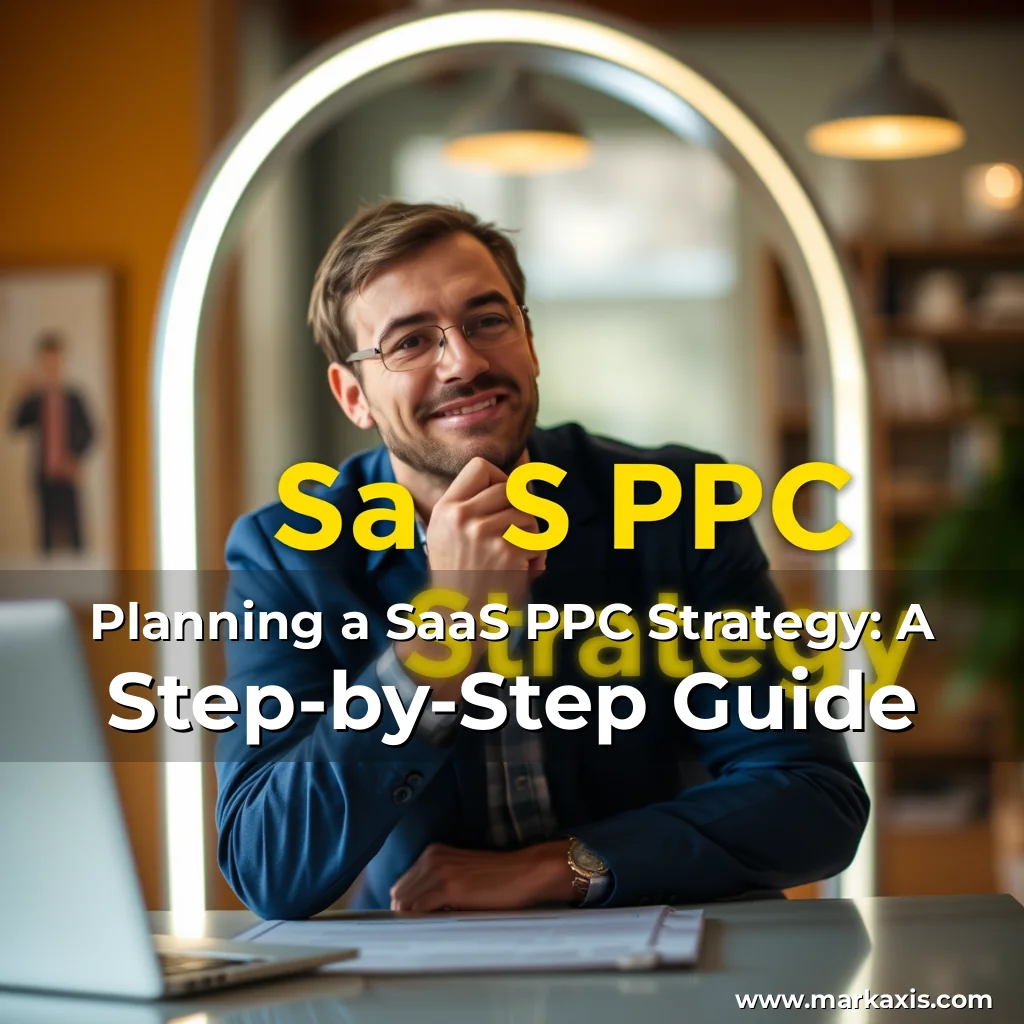
In the complex world of SaaS marketing, planning a paid search advertising strategy can be a daunting task. It involves lengthy buying cycles, complex products to explain, and high competition. However, with a well-thought-out approach, you can increase your chances of success and drive qualified leads to your website. ### Understanding Your Target Audience
Before diving into PPC, it’s essential to understand who your target audience is. A SaaS product is often used by multiple people within an enterprise-level company, making it challenging to identify the right person to target. To overcome this, consider the following:
* Identify the job functions and groups that are most likely to influence the decision-making process. * Use data from your organization to inform targeting, such as job titles for individuals engaging with lead forms and sales processes. * Utilize LinkedIn Audience Insights to view demographic criteria that can help identify what job roles and types of companies are most engaging with your content. ### Identifying Your “Hook”
Developing a compelling hook to grab the attention of prospects is crucial. Consider the following strategies:
* Test multiple CTAs that may appeal to different audience segments. * Analyze your competitors’ ad messaging, creative, and landing pages to understand what works and what doesn’t. * Use auction insights to note which advertisers most often overlap for particular campaigns. * Create a content calendar to ensure consistency in your messaging across all channels. ### Analyzing Your Competition
In the competitive SaaS landscape, it’s essential to analyze your competitors’ advertising efforts. Consider the following strategies:
* Document your competitors’ ad messaging, creative, and landing pages. * Use ad libraries to view ads that your competitors have run. * Identify areas where your competitors may be weak and you can capitalize on. * Create a list of your competitors’ strengths and weaknesses to inform your marketing strategy. ### Setting Measurement Goals
SaaS marketing often involves long sales cycles, making it challenging to establish realistic expectations for cost per acquisition (CPA) and conversion rate goals. Consider the following strategies:
* Establish clear measurement goals at each stage of the buying cycle. * Use conversion tracking to measure the effectiveness of your campaigns. * Analyze the data to identify areas for improvement and adjust your strategy accordingly. ### Connecting Ad Platforms to Your CRM
Connecting your ad platforms to CRMs and marketing automation platforms can help with complete conversion tracking and audience creation. Consider the following strategies:
* Pass back conversions when users complete specific actions. * Use enhanced conversions for leads to ensure accurate tracking. * Sync audiences to ad platforms using your CRM or marketing automation platform. ### Using Account List Targeting
Account-based marketing (ABM) can be an effective way to reach select companies you’d like to target. Consider the following strategies:
* Upload a list of target accounts using LinkedIn. * Overlay additional targeting to ensure you’re reaching the right decision-makers in the organization. * Use customer lists to exclude existing customers from campaigns or to exclude those who already have a particular product. ### Making PPC Work for Your SaaS Marketing
Planning and executing a PPC strategy for a SaaS product can be a complex but rewarding process when you start to see qualified leads come through and turn into paying customers. Consider the following strategies:
* Start with understanding your audience and competition. * Work through setting clear measurement goals and targeting strategies. * Continuously test and refine your campaigns based on the data you can gather. By following these steps, you can create a well-thought-out PPC strategy that drives qualified leads to your website and helps you achieve your marketing goals.

news is a contributor at MarkAxis. We are committed to providing well-researched, accurate, and valuable content to our readers.