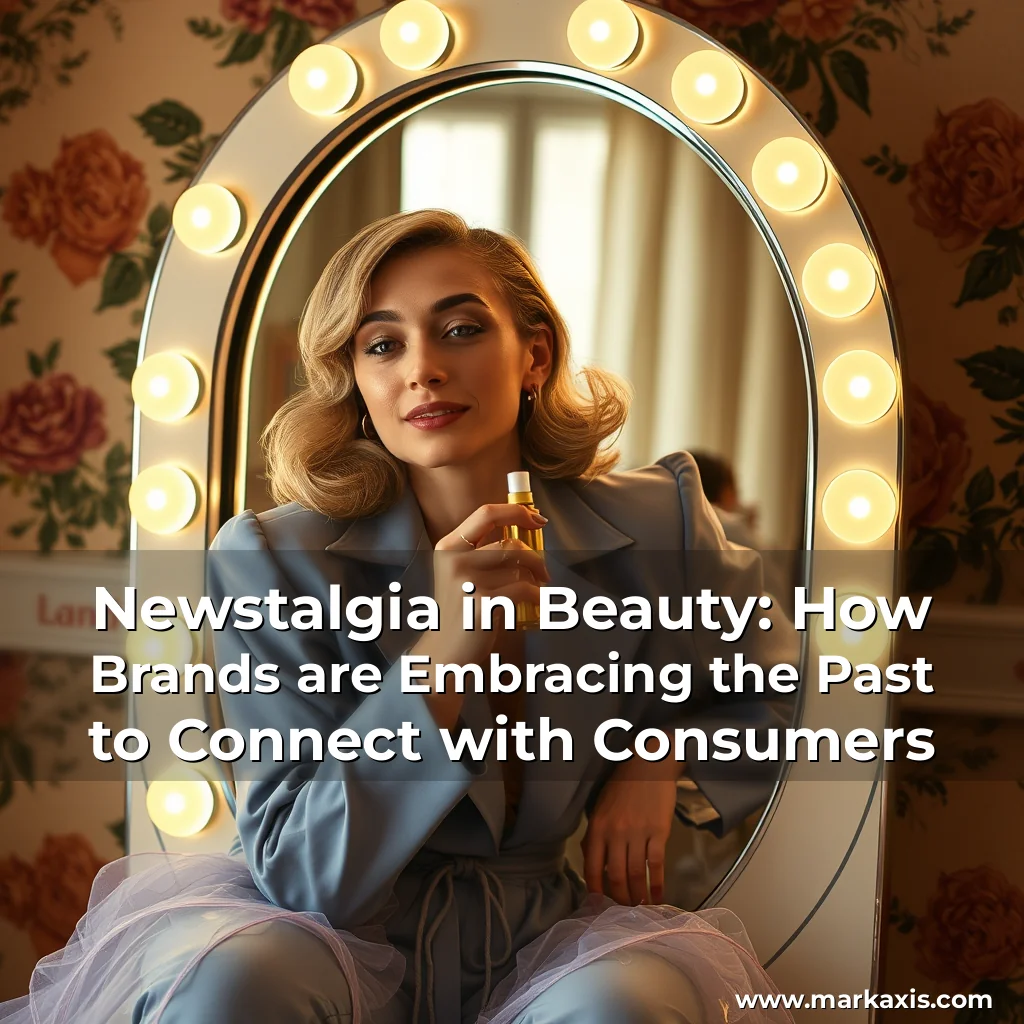
Newstalgia in the beauty industry is all about embracing the nostalgia of the early 2000s and using it to connect with consumers. The trend, which involves referencing iconic themes from the past, is being driven by a desire for authenticity and a sense of purpose among younger generations.
The Rise of Newstalgia
A challenging economic and political climate, the rise of generative artificial intelligence, and young consumers’ fascination with “cred” — whether a brand or product has substance and a genuine history — are all driving consumers’ appetite for the past. “Millennials are looking for glimmers because [we’ve] worked hard to get where [we] are,” said Jenn Low, founder of conscious jewellery brand Wanderlust & Co.
Why Newstalgia is Working
Newstalgia allows brands to control their own narrative and play up their cultural credibility by bringing forward select themes that once established them as part of the “fashion zeitgeist,” according to Carole Diarra, global vice president of marketing at Ugg. “We’re in a time where nothing seems real now and the past gives us a time when things were real,” she said.
Milani’s Take on Newstalgia
Milani, which launched in 2001 to “democratise beauty” by catering to underrepresented Black women with affordable yet premium makeup, has recently revisited some of the conversation-starting themes from its predecessor “America’s Next Top Model.” The brand’s latest campaign channels the show’s aspirational energy while tapping into Gen Z’s focus on diversity.
The Art of Evolution
To make newstalgia a long-term strategy, brands need to employ a multi-faceted marketing approach. This means creating quality product, a clear brand identity, treating customers as a community, and ensuring a distinct and elevated message across the brand’s website, stores, and social media.
Ugg’s Approach to Newstalgia
Ugg’s global vice president of marketing, Carole Diarra, says that the brand’s design heritage is key to its newstalgia strategy. “We start with product first,” she said. “We look at future trends and make sure we show up with innovation, then it comes time to say, ‘how can we support this [with marketing]?'”
True Religion, another brand that emerged in the Y2K era, has taken a more subtle approach to newstalgia. The brand has leaned into its design heritage while doubling down on a modern, digital-first marketing strategy. “It’s carrying forward the product [and] this genuine love of the brand with new people — both the superstars and other layers of folks throughout our influencer marketing strategy,” said True Religion’s chief marketing officer, Kristen D’Arcy.
As a digital-first brand, Wanderlust & Co. is hoping to channel some early aughts brick-and-mortar energy in May with the opening of its first physical stores in the US. “It’s about coming back full circle — our journey started online and we’ve evolved,” said Low. Newstalgia is not just a marketing trend; it’s a way for brands to connect with their customers on a deeper level.
- It allows brands to tap into the cultural zeitgeist and create a sense of nostalgia that resonates with younger generations.
- It enables brands to showcase their cultural credibility and authenticity.
- It provides a way for brands to control their own narrative and create a sense of purpose.
- It offers a way for brands to connect with their customers on a deeper level and create a sense of community.
| Brand | Newstalgia Approach | Key Strategies |
|---|---|---|
| Milani | Reference iconic themes from “America’s Next Top Model” | Campaign with Gen Z’s focus on diversity |
| Ugg | Lean into design heritage | Product-led marketing strategy |
| True Religion | Subtle approach to newstalgia | Modern, digital-first marketing strategy |
“When you think about what [“ANTM”] represented, it was aspirational. It gave the everyday consumer… the opportunity to reach that [high-fashion] level. It sits at the core of what Milani stands for — access and inclusivity.” — Jeremy Lowenstein, Milani’s chief marketing officer.
Newstalgia is not just a passing trend; it’s a way for brands to connect with their customers on a deeper level and create a sense of purpose.
As the beauty industry continues to evolve, it’s clear that newstalgia will play a significant role in shaping the future of beauty marketing. By embracing the past and tapping into the cultural zeitgeist, brands can create a sense of nostalgia that resonates with younger generations and establishes their cultural credibility.
Ultimately, newstalgia is not just a marketing trend; it’s a way for brands to connect with their customers on a deeper level and create a sense of purpose.

news is a contributor at MarkAxis. We are committed to providing well-researched, accurate, and valuable content to our readers.