
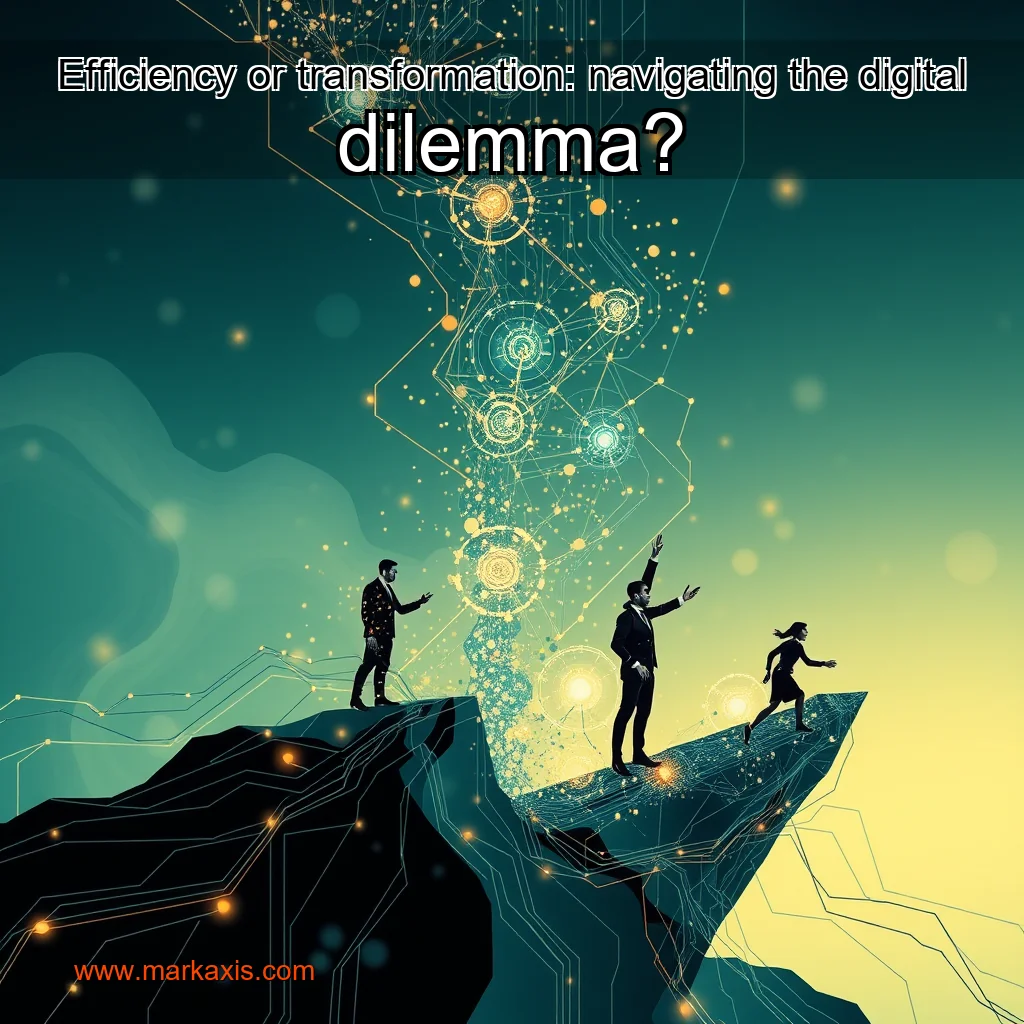
The Misconception of Digital Transformation
Digital transformation is often viewed as a one-size-fits-all solution. This misconception can lead to a lack of understanding of the unique challenges and opportunities that each organization faces. As a result, digital transformation programs often fail to deliver the expected results.
Key Factors Contributing to the Misconception
The Reality of Digital Transformation
Digital transformation is a complex and multifaceted process that requires a deep understanding of the organization’s unique needs and challenges. It involves not only the adoption of new technologies but also a fundamental shift in the way the organization operates and delivers value to its customers.
The Importance of Contextual Understanding
A Successful Digital Transformation
A successful digital transformation requires a holistic approach that takes into account the organization’s unique context and challenges.
Digital transformation is built on three pillars: run, optimize, and transform.
Understanding the Three Pillars of Digital Transformation
Digital transformation is a multifaceted concept that encompasses various aspects of an organization’s operations, processes, and culture.
However, it is essential to consider the second pillar, which involves transforming the organization’s culture and values.
Improving Efficiency and Productivity
Leveraging Technology for Automation
The first pillar of organizational transformation focuses on improving efficiency and productivity within the current operational framework. This can be achieved by leveraging technology to automate repetitive tasks and provide better data insights. By implementing automation tools, organizations can streamline processes, reduce manual errors, and increase productivity. For instance, companies can use workflow management software to automate tasks such as data entry, document management, and approval processes. Key benefits of automation: + Reduced manual errors + Increased productivity + Improved data accuracy + Enhanced decision-making capabilities
Data-Driven Decision Making
Technology can also provide better data insights, enabling organizations to make data-driven decisions. This involves collecting and analyzing data from various sources, such as customer feedback, sales data, and market trends. By leveraging data analytics tools, organizations can identify areas of improvement, optimize processes, and predict future outcomes.
The Power of Digital Transformation
Digital transformation is the process of leveraging digital technologies to create a seamless and engaging customer journey. This involves not only improving internal processes but also using digital tools to enhance the customer experience. By investing in digital transformation, companies can:
Understanding Customer Needs
To create a seamless customer journey, it’s essential to understand the needs and expectations of your customers. This involves:
Leveraging Digital Technologies
Digital technologies can transform the way a company interacts with its customers. Some key technologies include:
Implementing Digital Transformation
Implementing digital transformation requires a strategic approach. This involves:
Measuring Success
Measuring the success of digital transformation is crucial. This involves:
Conclusion
Digital transformation is a critical component of creating a seamless and engaging customer journey. By investing in digital technologies and understanding customer needs, companies can improve customer satisfaction, increase operational efficiency, and drive revenue growth.
It could also involve changing the way the business operates, such as adopting a more agile and flexible approach to management.
The Three Pillars of Innovation
Rethinking the Business Model
The third pillar of innovation involves rethinking and reinventing the business model itself. This is a critical step in driving innovation, as it allows companies to adapt to changing market conditions and stay ahead of the competition. By transforming their business model, companies can create new revenue streams, improve efficiency, and increase customer satisfaction. Developing new products or services can be a key part of this process. For example, a company might develop a new product that leverages emerging technologies such as artificial intelligence or blockchain. Changing the way the business operates can also be an important part of this process.
This includes the digital transformation of existing processes, the development of new digital products and services, and the creation of a digital culture that supports innovation and collaboration.
Understanding the Digital Transformation Pillars
The Three Pillars of Digital Transformation
Digital transformation is a multifaceted process that involves the integration of digital technologies into all areas of a business. It requires a strategic approach to ensure that the organization is aligned with its goals and objectives.
Defining the Objectives of Digital Transformation
The digital transformation initiative is a strategic undertaking that requires careful planning and execution. To ensure its success, it’s essential to define clear objectives that align with the organization’s overall vision and goals.
Digital Transformation Roadmap
Understanding the Importance of Digital Transformation
Digital transformation is a critical business strategy that involves leveraging technology to drive business growth, improve efficiency, and enhance customer experience. In today’s fast-paced digital landscape, businesses that fail to adapt and transform risk being left behind. Key benefits of digital transformation:
- Improved operational efficiency
- Enhanced customer experience
- Increased competitiveness
- Better decision-making capabilities
- Improved Efficiency: Digital transformation can help organizations streamline processes, automate tasks, and reduce costs. Enhanced Customer Experience: Digital transformation enables organizations to provide personalized, real-time, and omnichannel experiences that meet customer needs and expectations. Increased Agility: Digital transformation allows organizations to respond quickly to changing market conditions, customer needs, and technological advancements. * New Revenue Streams: Digital transformation can create new business opportunities, such as e-commerce, digital marketing, and data analytics. ## Overcoming Challenges**
Assessing the Current State
Before embarking on a digital transformation journey, it’s essential to assess the current state of your business.
Organizations must adapt to changing market conditions, customer needs, and technological advancements to remain competitive.
The Importance of Digital Transformation
Digital transformation is a strategic process that involves integrating digital technology into all areas of an organization. It is not just about adopting new technologies, but also about changing the way people work, interact, and make decisions. The goal of digital transformation is to create a more agile, responsive, and customer-centric organization that can thrive in a rapidly changing business environment.
Key Benefits of Digital Transformation
Overcoming Challenges
Digital transformation is not without its challenges.

news is a contributor at MarkAxis. We are committed to providing well-researched, accurate, and valuable content to our readers.