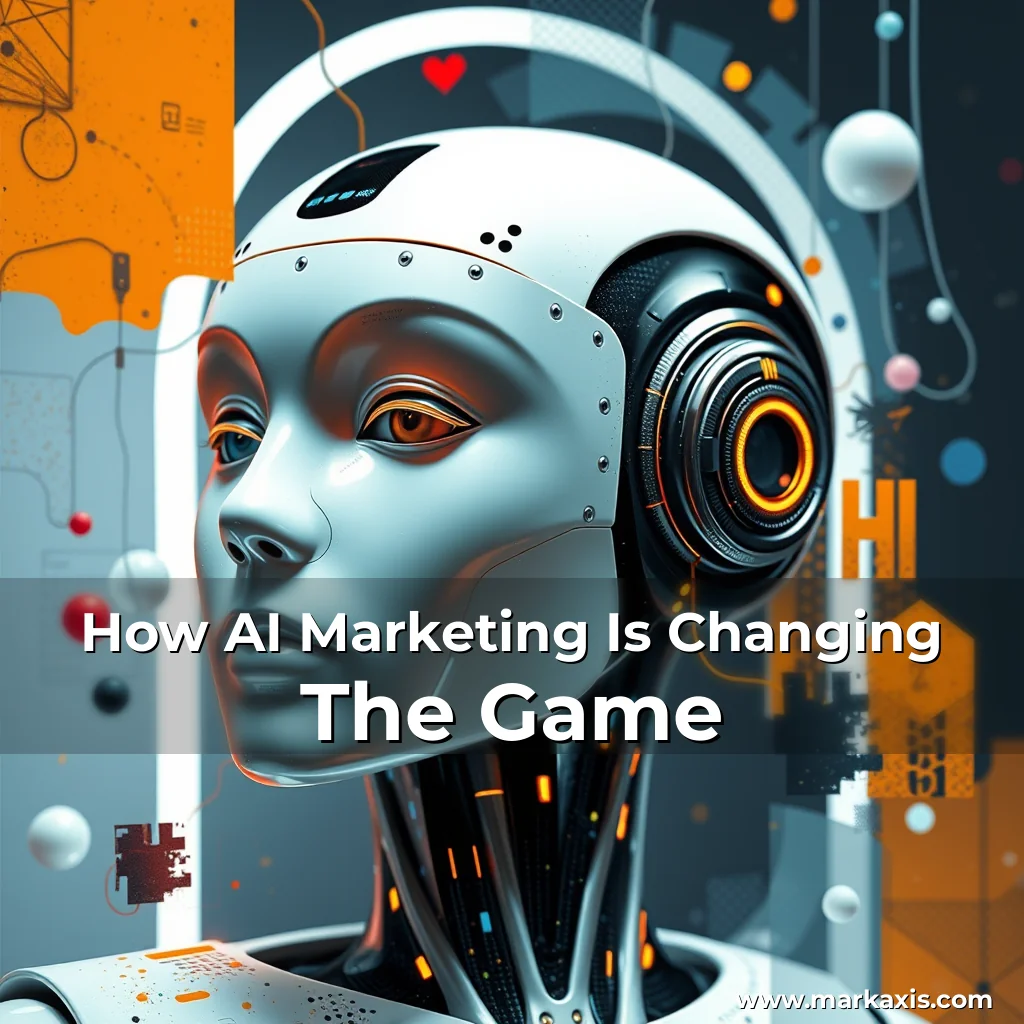
Artificial intelligence is transforming the marketing landscape, providing a new level of efficiency and effectiveness for brands. With AI marketing tools, marketers can create personalized content, automate tasks, and gain deeper insights into customer behavior.
What Is AI Marketing?
AI marketing is the use of artificial intelligence and machine learning to guide marketing efforts. It helps brands understand customer data and turn it into actionable insights.
AI marketing tools use data from social media, email, or websites to provide personalized recommendations, automate tasks, and optimize campaigns. However, to run these tools effectively, marketers often need support from engineers or data scientists.
How AI Is Used in Marketing
- Automation: Tools like Zapier and Hootsuite handle tasks like post scheduling and lead sorting.
- Personalization: Amazon recommends products based on browsing and buying habits.
- Audience Segmentation: Spotify targets listeners by genre, mood, or behavior.
- SEO: Surfer SEO and Clearscope suggest keywords and content updates based on trends.
- Campaign Analysis: Tools like Sprout Social track sentiment, engagement, and performance.
AI marketing tools are changing the way marketers work, making it faster, smarter, and more efficient. With the right tools, teams can create high-quality content, automate routine tasks, and focus on high-level strategy.
Benefits of Using AI in Marketing
Some of the major benefits of using AI in marketing include:
- Faster, Smarter Decision-Making
- Improved ROI on Marketing Initiatives
- More Accurate Measurement of KPIs
- Enhanced CRM Capabilities
- More Meaningful Insights from Customer Data
- Time Savings and Better Targeting
- Personalized Content and Real-Time Monitoring
AI marketing helps marketers create more effective campaigns, automate tasks, and gain deeper insights into customer behavior. It’s not a trend, it’s a strategy that’s here to stay.
Best Practices for Using AI in Marketing
Here are some best practices for using AI in marketing:
- Set clear goals: Know what you’re fixing—speed, accuracy, or targeting.
- Use clean data: Garbage in, garbage out. Use real, updated info.
- Always review outputs: Don’t trust AI blindly. Check tone and facts.
- Watch for bias: Algorithms copy what they learn. Stay alert.
- Be transparent: Let your team know what’s AI-driven.
- Train your team: Everyone should know what the tools do and why.
- Track performance: Review metrics. Adjust tools to match results.
AI marketing requires careful planning, execution, and monitoring. By following these best practices, marketers can get the most out of AI tools and create more effective campaigns.
A Step-by-Step Guide to Incorporating AI Into Your Marketing Strategy
Many marketers want to integrate AI into their strategy to boost efficiency and engagement. Here’s a step-by-step guide to help you get started:
- Define goals: Decide what you want AI to fix—messaging, speed, targeting. Be specific.
- Choose the right tools: Pick one or two AI-powered tools tied to real needs like content or CRM.
- Train AI on historical customer data: Use past data to guide AI. It sharpens accuracy and reduces trial time.
- Launch small campaigns: Test the tool with a small audience. Watch and adjust.
- Monitor results and improve: Measure against goals. Change what’s not working. Scale what works.
AI marketing is a powerful tool for marketers, but it requires careful planning and execution. By following these steps, you can incorporate AI into your marketing strategy and create more effective campaigns.
Can You Make Money With AI Marketing?
Yes, smart marketers use AI to grow revenue fast. AI tools help find the right audience, fine-tune ads, and boost conversions. It’s easier to track behavior, personalize campaigns, and scale efforts with real feedback—not guesses.
Platforms like Jasper speed things up. It saved 3,000+ hours and raised blog traffic by 40%. Other tools help teams write faster, run better email campaigns, and turn leads into paying customers. When done right, AI marketing gives brands a serious edge.
Can ChatGPT Replace Digital Marketing Professionals?
AI tools like ChatGPT help speed up tasks—writing emails, testing headlines, and spotting trends. But they don’t replace marketing professionals.
AI tools support the work—they don’t shape the strategy. Marketers struggle when tools override human insight. Only people can protect a brand’s unique voice and build trust with authenticity.
Challenges and Risks of AI in Marketing
AI depends heavily on customer data. If the data is biased or outdated, marketing programs lose accuracy and impact. Brands risk missing real needs, leading to poor results or excluding key groups.
Too much AI integration creates new problems. Tools can’t read tone, context, or emotion. They lack nuance. Personalization suffers. If teams blindly trust AI, their message feels robotic. Review how systems use consumer data, affect pricing strategies, and fit your brand’s values.
The Future of AI in Marketing
Generative AI keeps evolving fast. Marketers now use it to create full campaigns—text, images, and video. Predictive marketing helps forecast what buyers want. Autonomous campaigns adjust ads live. The goal? Faster results with less guesswork.
AI adoption is rising fast. A 2025 Deloitte report says 67% of marketing leaders will boost investment. As tech grows, staying up on AI news is critical. The brands that move early will stay cutting edge.
How AI Impacts Marketing Teams
Marketing teams look different now. Instead of doing grunt work, they guide campaigns and analyze data. AI reduces busywork but needs new skills. People now write prompts, spot issues, and steer strategy.
Many marketers have taken on new roles—content leads, prompt writers, AI operators. These roles power modern marketing efforts. With fewer silos and smarter tools, teams move faster and deliver more valuable insights.
How AI Helps With SEO and Content Creation
Marketers now use AI-powered tools to speed up content creation and improve search engine optimization. These tools boost blog traffic by helping teams plan, write, and optimize smarter and faster.
AI-powered tools help with content generation, keyword research, and optimization. They provide personalized recommendations, automate tasks, and optimize campaigns.
Data Governance and AI in Marketing
Strong data governance is essential. AI tools only work as well as the customer data they’re fed. Inaccurate or outdated info leads to bad decisions and broken trust.
Marketers must use clean, real consumer data, follow legal rules, and stay transparent. Ethical marketing means protecting privacy, securing systems, and respecting the people behind the numbers.
Frequently Asked Questions About AI Marketing
Here are some frequently asked questions about AI marketing:
- How do AI marketing tools work?
- AI tools process data, spot trends, and automate actions. From email timing to content ideas, marketing tools help teams make better decisions and move fast.
- Is AI marketing suitable for small businesses?
- Yes, many AI tools are affordable and easy to use, helping small teams improve reach, efficiency, and results without a large budget.
- Are AI marketing tools expensive?
- Some are free or low-cost. Others scale with features. Most offer pricing tiers, so teams can start small and grow as needed.
- What are the disadvantages of using AI in marketing?
- AI lacks emotion and depends on data. Poor inputs lead to weak results. Overuse may hurt your competitive advantage if human judgment is ignored.
AI marketing is a powerful tool for marketers, but it requires careful planning and execution. By understanding the benefits, best practices, and challenges, marketers can get the most out of AI tools and create more effective campaigns.
Final Thoughts
AI marketing is no longer optional—it’s how smart marketing teams stay sharp. From content creation to CRM, artificial intelligence helps streamline marketing efforts and unlock valuable insights.
To start incorporating AI, define your marketing goals, pick the right tools, and focus on clean data. Machine learning helps spot what works, but human judgment keeps it real.
Business leaders using generative AI can move faster, enter new markets, and gain a competitive edge.

news is a contributor at MarkAxis. We are committed to providing well-researched, accurate, and valuable content to our readers.