
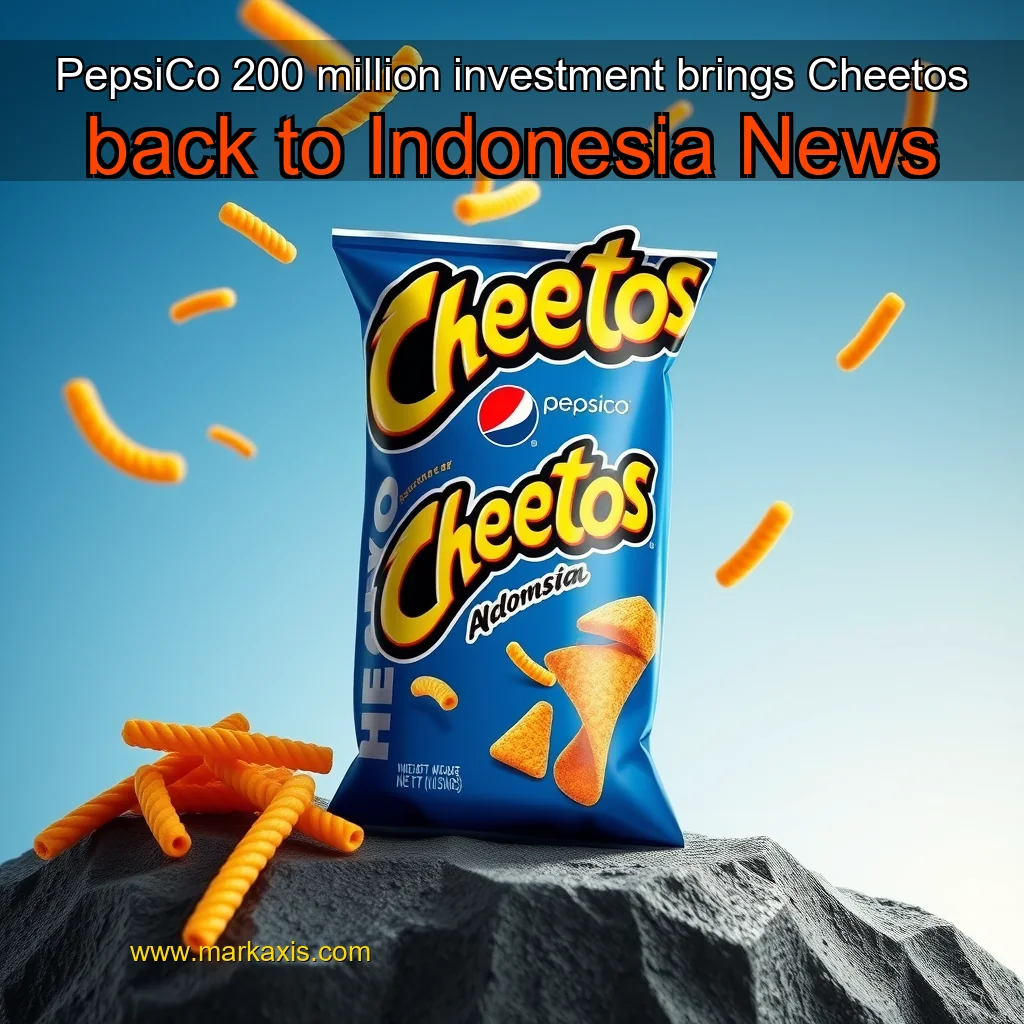
The Rise of PepsiCo in Indonesia
PepsiCo, one of the world’s largest food and beverage companies, has a long history in Indonesia. The company first entered the Indonesian market in 1973, but its presence was limited to a few products.
The Challenge of Re-entering the Indonesian Market
Indonesia is a vast and diverse country with a population of over 270 million people. The country has a strong and competitive market, with many established brands and a high level of consumer awareness. PepsiCo’s return to Indonesia presents a significant challenge, as the company will need to compete with established brands like Indofood, which has a strong market share in the snack segment. Key factors that make Indofood a strong competitor: + Strong brand recognition and loyalty + Wide distribution network + Innovative product offerings + Effective marketing and advertising strategies
The Importance of Branding and Marketing
PepsiCo will need to develop a solid branding and marketing strategy to win back consumers and establish itself as a major player in the Indonesian market.
The Power of Nostalgia in Marketing
Nostalgia is a powerful tool in marketing, as it evokes emotions and creates a sense of familiarity. PepsiCo can tap into this nostalgia by highlighting the original products of their popular brands, such as Lay’s, Cheetos, and Doritos. By doing so, they can create a sense of comfort and familiarity among their customers, making them more likely to engage with the brand.
The Benefits of Nostalgia in Marketing
The Role of Original Products in Nostalgia
However, the company must also invest in e-commerce and digital payments to stay competitive in the market.
The Digital Transformation of PepsiCo
PepsiCo, one of the world’s largest food and beverage companies, is facing a significant challenge in the digital age. The company needs to adapt to the changing consumer behavior and preferences, which are increasingly driven by technology. In this article, we will explore the importance of digital transformation for PepsiCo and discuss the strategies that the company can adopt to stay competitive in the market.
Understanding the Digital Landscape
The digital landscape is constantly evolving, with new technologies and platforms emerging every day. Social media platforms like Facebook, Instagram, and TikTok have become an essential part of consumer behavior, with billions of users worldwide. Influencers and content creators have also become a crucial part of the digital marketing strategy, with their ability to reach a large audience and build brand awareness. Key statistics: + 4.2 billion people use social media worldwide (Statista, 2022) + 55% of online adults in the US use social media to discover new products (Pew Research Center, 2020) + 71% of online adults in the US use social media to research products before making a purchase (Pew Research Center, 2020)
The Importance of Digital Transformation
Digital transformation is essential for PepsiCo to stay competitive in the market.
This could lead to a price war, where the market becomes saturated with discounted products, and the competition intensifies.
The Rise of PepsiCo in Indonesia
PepsiCo, the multinational food and beverage corporation, has been expanding its presence in Indonesia. The company has been focusing on the snack food market, which has seen significant growth in recent years. With its strong brand portfolio and extensive distribution network, PepsiCo is well-positioned to challenge the dominance of Indofood.
The Competitive Scenario
Indofood, the current market leader, has been facing increasing competition from PepsiCo. The company’s aggressive pricing strategy could lead to a price war, where the market becomes saturated with discounted products. This could result in a decrease in prices, making it difficult for Indofood to maintain its market share.
The Rise of Competition in the Indonesian Beverage Market
The Indonesian beverage market has witnessed a significant surge in competition in recent years, with several international players entering the scene. This increased competition is expected to have a positive impact on Indonesian consumers, offering them a wider range of products with better quality.
Benefits for Indonesian Consumers
Opportunities for PepsiCo
The increased competition in the Indonesian beverage market presents opportunities for PepsiCo to establish itself as a leader in the industry. By focusing on sustainability and quality, PepsiCo can differentiate itself from its competitors and attract customers who value these attributes.
Challenges and Considerations
While the increased competition presents opportunities for PepsiCo, it also poses challenges and considerations.
The company has been absent from the Indonesian market for over 20 years, and its return is seen as a significant development in the country’s growing snack food industry.
A New Chapter for PepsiCo in Indonesia
After a 20-year hiatus, PepsiCo is set to re-enter the Indonesian market with a renewed focus on innovation and sustainability. The company’s return is a significant development in the country’s growing snack food industry, which is expected to continue its upward trend in the coming years.
Key Highlights of PepsiCo’s Return
The Indonesian Snack Food Market: A Growing Opportunity
The Indonesian snack food market is expected to continue its upward trend in the coming years, driven by increasing demand for convenient and affordable food options. The market is dominated by local players, but international brands like PepsiCo are also looking to capitalize on the growing demand for premium and innovative products.
Key Trends in the Indonesian Snack Food Market

news is a contributor at MarkAxis. We are committed to providing well-researched, accurate, and valuable content to our readers.