
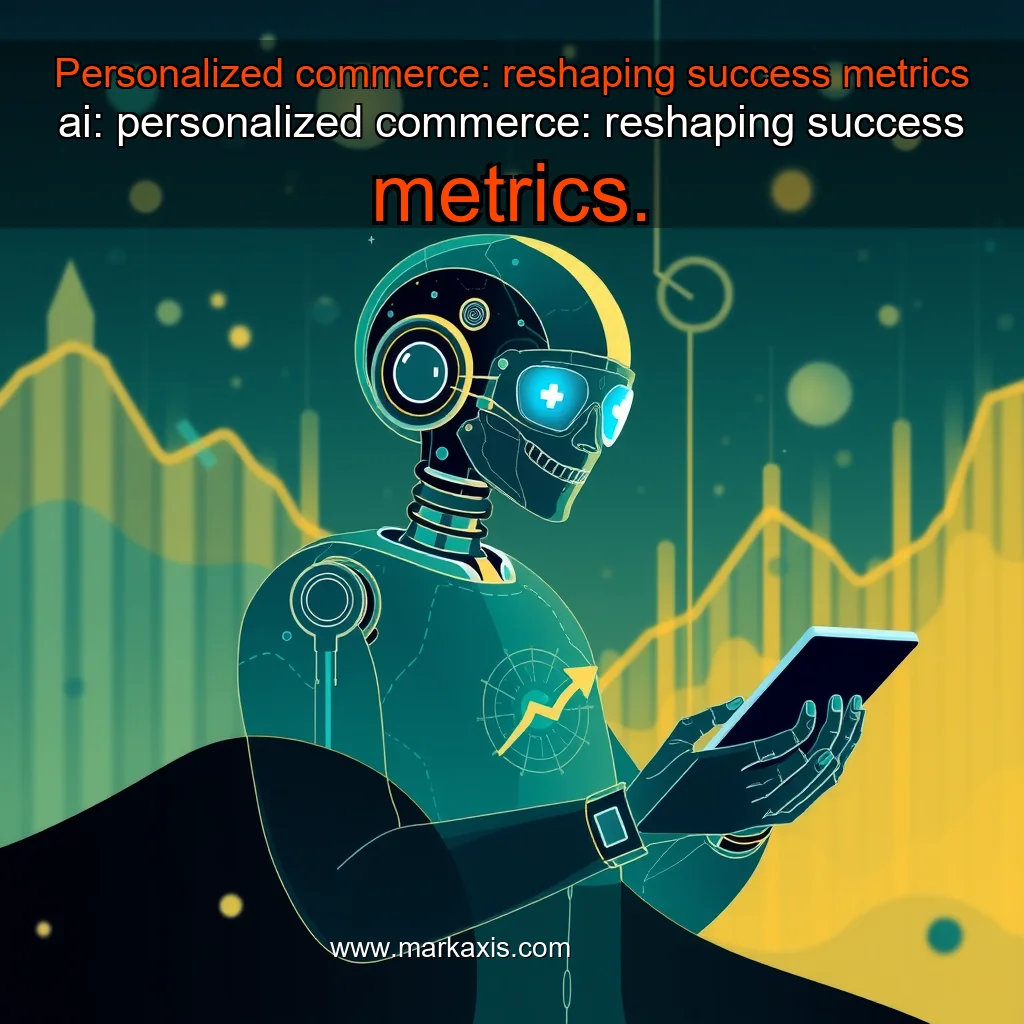
The Rise of Personalization in Digital Retail
The digital retail landscape has undergone a significant transformation in recent years, with a growing emphasis on personalization. This shift towards tailored experiences has led to remarkable results, as evident from the 40% revenue boost achieved by digital retail businesses that have adopted advanced personalization strategies.
Key Benefits of Personalization
The Cost Savings of Personalization
Implementing Personalization Strategies
To reap the benefits of personalization, businesses must invest in the right technologies and strategies. This includes:
The Rise of Personalization in Retail
In recent years, the retail landscape has undergone a significant transformation. Gone are the days of mass marketing and generic advertising. Today, consumers are more discerning than ever, and they expect a tailored experience that caters to their unique needs and preferences. This shift towards personalization has been driven by advances in technology, which have enabled retailers to collect and analyze vast amounts of customer data.
The Power of Data-Driven Insights
Retailers are now leveraging data analytics to create highly personalized experiences for their customers. By analyzing customer behavior, purchase history, and demographic data, retailers can identify patterns and preferences that inform their marketing strategies. For instance, a retailer might use data to determine which products to promote to a customer based on their browsing history or purchase history. Key benefits of data-driven insights include: + Improved customer targeting + Enhanced customer engagement + Increased conversion rates + Better product recommendations
The Role of Artificial Intelligence in Personalization
Artificial intelligence (AI) has become an essential tool in the personalization of retail experiences. AI algorithms can analyze vast amounts of customer data and identify patterns that may not be apparent to human analysts. This enables retailers to create highly targeted and relevant marketing campaigns that resonate with their customers.
But what exactly is personalization, and how can businesses effectively implement it?
Understanding Personalization
Personalization is the process of tailoring an experience to an individual’s unique characteristics, preferences, and behaviors. This can be achieved through various channels, including email marketing, social media, and customer relationship management (CRM) systems. Data-driven insights: Personalization relies heavily on data analysis to understand customer behavior, preferences, and pain points. Segmentation: Businesses can segment their customer base to create targeted campaigns and improve engagement. * Content optimization: Personalized content can be used to enhance user experience and increase conversions.**
your task:
– the title should be within 10-20 words.
– each word should begin with a capital letter.
The Benefits of Personalization
Personalization offers numerous benefits for businesses, including:
Implementing Personalization
To effectively implement personalization, businesses must:
This has led to the development of advanced algorithms and data analytics tools to handle the sheer volume of data generated by these platforms.
The Rise of Mobile Commerce
Mobile commerce has experienced significant growth in recent years, driven by the increasing adoption of smartphones and the proliferation of mobile internet access. With the rise of mobile commerce, consumers can now shop from anywhere, at any time, using their mobile devices. This has led to a significant shift in the way businesses approach e-commerce, with a focus on creating seamless and personalized experiences for their customers.
Key Benefits of Mobile Commerce
The Rise of E-commerce and the Need for Balance
E-commerce has experienced unprecedented growth in recent years, with the global market projected to reach $6.5 trillion by 2023. As consumers increasingly turn to online shopping, businesses must navigate the complex landscape of customer expectations and data protection regulations. The rise of e-commerce has created a delicate balance between providing personalized experiences and safeguarding customer privacy.
The Importance of Personalization
Personalization is a key driver of customer engagement and loyalty. By offering tailored recommendations and content, businesses can increase customer satisfaction and drive sales. However, personalization also raises concerns about data privacy and security.

news is a contributor at MarkAxis. We are committed to providing well-researched, accurate, and valuable content to our readers.