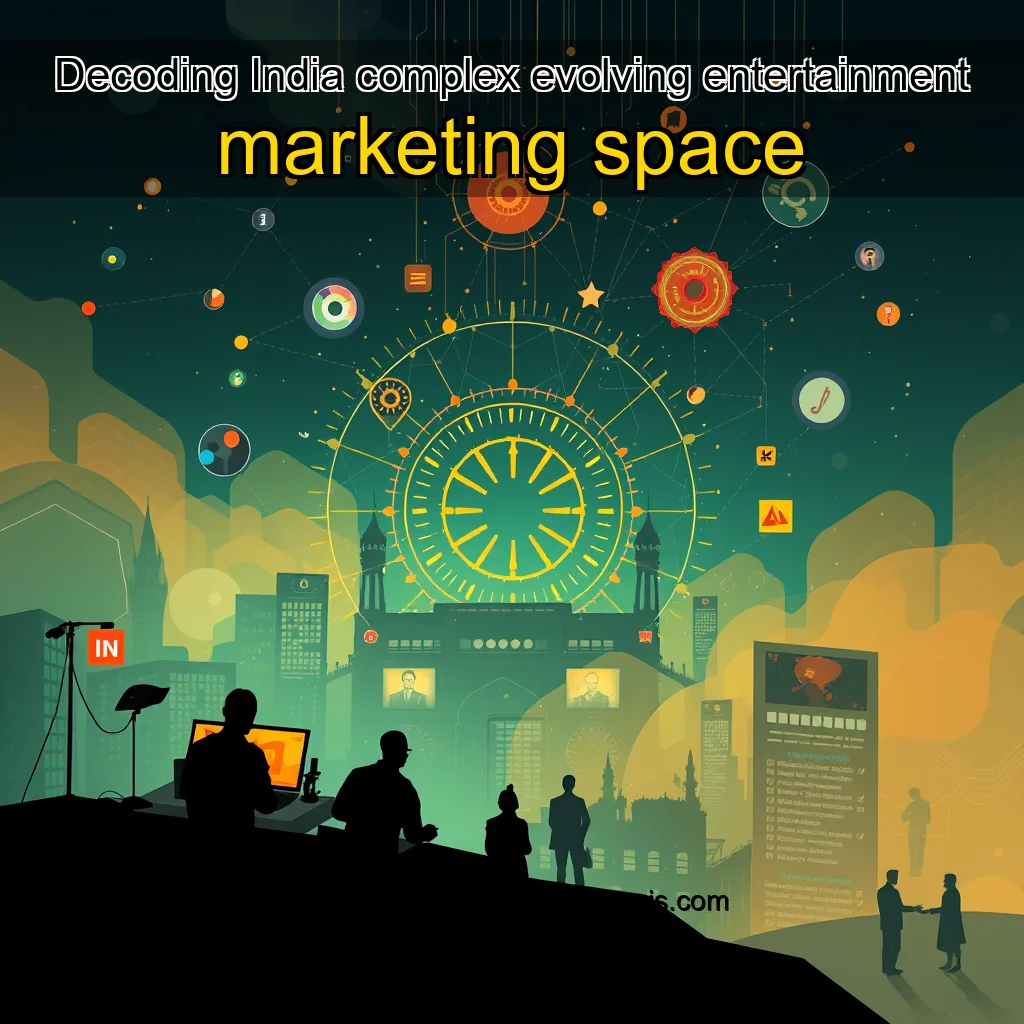
Fragmented landscape fuels innovation and growth in entertainment marketing.
The Fragmented Landscape of Entertainment Marketing
The entertainment marketing landscape in India is characterised by a multitude of fragmented and unorganised marketing engines. These engines are often driven by individual entrepreneurs, small businesses, and local marketing agencies. The lack of standardisation and regulation in the industry has led to a proliferation of marketing engines, each with its unique approach and offerings. Key characteristics of the fragmented landscape: + Multiple marketing engines, each with its own strengths and weaknesses + Lack of standardisation and regulation + Fragmented distribution channels + Limited access to resources and expertise
The Opportunities and Challenges
Despite the challenges posed by the fragmented landscape, there are opportunities for growth and innovation. The entertainment marketing space is constantly evolving, with new technologies and platforms emerging regularly. This presents both opportunities and challenges for marketers, entrepreneurs, and businesses. Opportunities: + Growing demand for entertainment content + Increasing use of digital platforms + Emerging trends and technologies
+ Limited access to resources and expertise + Fragmented and unorganised marketing engines + Difficulty in measuring and tracking ROI
The Role of Marketing Engines
Marketing engines play a crucial role in the entertainment marketing space.
Fragmented industry hinders growth and scalability in India’s entertainment marketing space.
“We want to bring in a level of professionalism and structure to the marketing process, so that we can scale up and make a bigger impact.”
The Problem with India’s Entertainment Marketing Space
The Indian entertainment marketing space is plagued by a lack of structure and professionalism. With the rise of boutique-driven marketing agencies, the industry has become fragmented and disorganized. This has resulted in a lack of scalability, making it difficult for agencies to grow and expand their services.
The Importance of Storytelling in Entertainment Marketing
Storytelling is a fundamental aspect of human communication, and it plays a crucial role in entertainment marketing. A well-crafted narrative can captivate audiences, evoke emotions, and create a lasting impression. In the context of entertainment marketing, storytelling serves as the foundation upon which all other creative assets are built.
Key Elements of Effective Storytelling
To create an effective narrative, several key elements must be considered:
As a result, the industry has seen a significant increase in the use of influencer marketing, social media advertising, and short-form content.
The Rise of Influencer Marketing
Influencer marketing has become a staple of India’s entertainment marketing landscape. With millions of social media users across the country, influencers have become a crucial channel for brands to reach their target audience. Here are some key statistics that highlight the growth of influencer marketing in India:
The Importance of Social Media Advertising
Social media advertising has become an essential component of India’s entertainment marketing strategy. With the majority of the population using social media platforms, brands can reach their target audience through various ad formats.
The Benefits of Homogeneous Audiences
In the context of global content creation, having a homogeneous audience can be a significant advantage. When a country’s audience is more homogeneous, it means that people from the same region or culture are more likely to share similar interests, values, and preferences.
Leveraging local content and cultural humour to build community and shared identity.
In these regions, local content and memes are often used to poke fun at national stereotypes and local issues, creating a sense of shared identity and community among viewers.
Regional Content and Local Traditions
In Tier B and C regions, the most effective way to capture audiences is by leveraging regional content and local traditions. This approach not only resonates with viewers but also helps to create a sense of shared identity and community. By showcasing local customs, traditions, and issues, content creators can tap into the unique cultural nuances of each region. Examples of regional content include:
- Local news and current events
- Traditional music and dance
- Regional cuisine and cooking shows
- Local sports and events
- Community-driven initiatives and projects
- Local jokes and one-liners
- Regional memes and viral challenges
- Satirical content and parody videos
- Humorous takes on local issues and politics
Cultural Humour and Memes
Cultural humour and memes have become a powerful tool for content creators in Tier B and C regions. By using local references and jokes, content creators can create a sense of shared understanding and belonging among viewers. Memes, in particular, have emerged as a “cultural currency” for Gen Z, allowing them to express themselves and connect with others in a way that feels authentic and relatable. Examples of cultural humour and memes include:
The Power of Local Storytelling
Local storytelling is a powerful way to capture audiences in Tier B and C regions.
Additionally, snackable content formats like Instagram Reels and YouTube Shorts are becoming increasingly popular among young viewers, including those in Tier 2 and Tier 3 cities.

news is a contributor at MarkAxis. We are committed to providing well-researched, accurate, and valuable content to our readers.