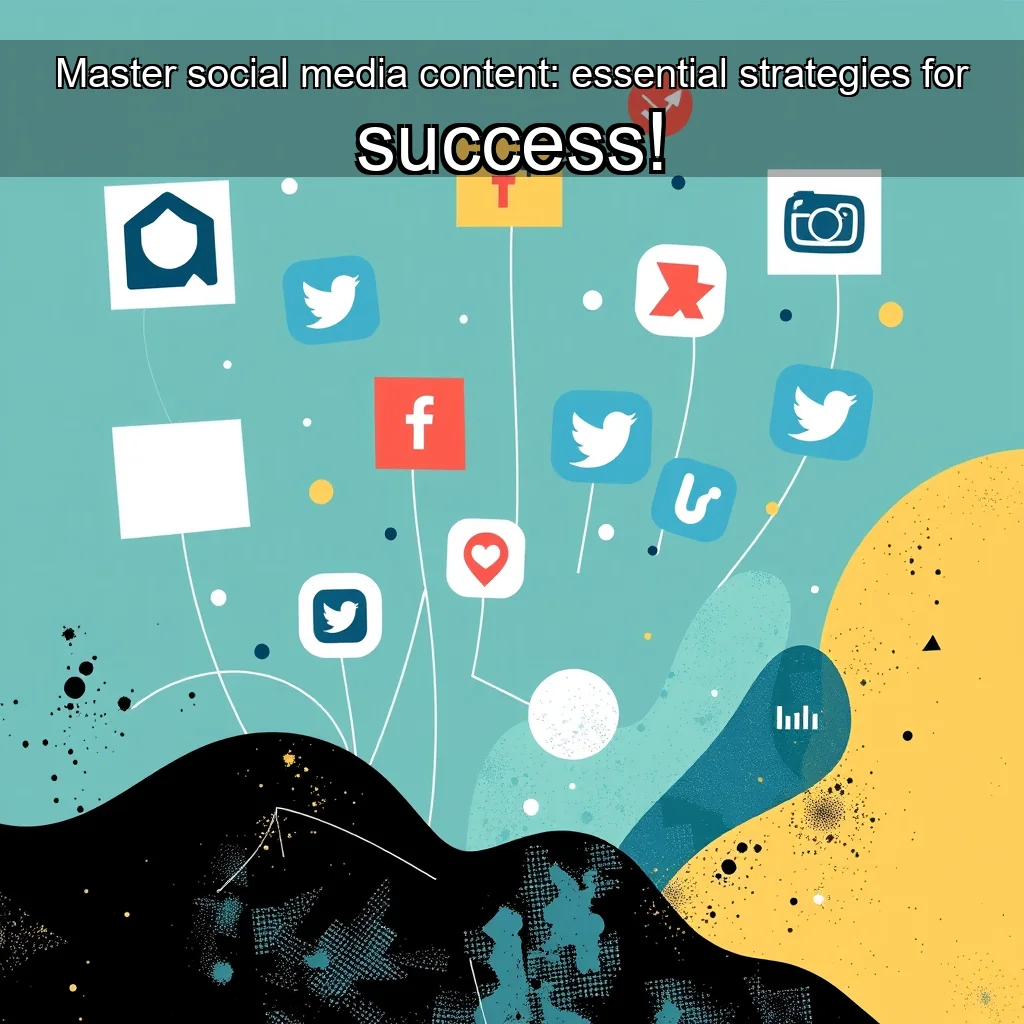
A well-defined strategy helps businesses to achieve their marketing goals and objectives.
The Importance of a Social Media Content Strategy
In today’s digital age, social media has become an indispensable tool for businesses to reach their target audience, build brand awareness, and drive sales. However, with the vast array of social media platforms and the ever-changing algorithm, it can be overwhelming for businesses to create and manage content effectively. A well-defined social media content strategy is crucial in navigating this complex landscape. It serves as a roadmap, outlining the types of content to be created, the channels to be used, and the frequency of posting.
Crafting a Content Strategy
Crafting a content strategy is a crucial step in creating engaging content that resonates with the target audience. This involves understanding the brand’s objectives, values, and target audience to create content that aligns with their needs and interests.
Understanding the Brand’s Objectives and Values
To create a content strategy that aligns with the brand’s objectives and values, it’s essential to understand what drives the brand’s success. This includes identifying the brand’s mission, vision, and values, as well as its long-term goals and key performance indicators (KPIs). Mission Statement: A clear and concise statement that defines the brand’s purpose and goals. Vision Statement: A statement that outlines the brand’s desired future state and the steps needed to achieve it. Values: The principles that guide the brand’s behavior and decision-making. Long-term Goals: The brand’s aspirations and objectives that drive its strategy and operations.
Setting Clear Objectives
A well-defined content strategy is the foundation of a successful social media marketing campaign. To achieve this, it’s essential to set clear objectives that align with your brand’s overall goals. These objectives should be measurable, allowing you to track progress and make data-driven decisions.
Setting Clear Objectives
Understanding Your Audience
Before setting clear objectives, it’s essential to understand your target audience. Who are they? What are their interests? What are their pain points? Knowing your audience will help you create content that resonates with them and tailor your messaging to their needs. Identify your audience’s demographics, interests, and behaviors
Defining Your Unique Value Proposition (UVP)
Your UVP is the unique benefit that sets your brand apart from the competition. It’s the reason why customers choose your brand over others.
Define Your Business Objectives and Identify Your Target Audience to Create a Winning Social Media Strategy.
Understanding Your Business Objectives
To develop a comprehensive social media strategy, it is essential to understand your business objectives. This involves identifying what you want to achieve through social media, whether it’s increasing sales, improving customer service, or expanding your brand’s reach. Here are some key business objectives to consider:
Identifying Your Target Audience
Once you have identified your business objectives, the next step is to determine your target audience. Who are the people that will be interacting with your social media content?
Understanding Your Audience
To create content that resonates with your audience, it’s essential to understand who they are, what they care about, and how they interact with social media. Here are some key factors to consider:
Identifying Your Audience’s Pain Points
Understanding your audience’s pain points is crucial in creating content that addresses their needs and concerns. Here are some ways to identify their pain points:
Creating Content That Resonates
Once you have a clear understanding of your audience’s pain points, you can create content that resonates with them. Here are some tips:
Choosing the Right Social Media Platforms
Choosing the right social media platforms is a key aspect of a successful content strategy. Here are some factors to consider:
Each platform has its unique features, and understanding these features is crucial for effective content creation.
Choosing the Right Platforms for Your Business
Understanding Your Audience
Before selecting platforms, it’s essential to understand your target audience. Who are they? What are their interests? What are their pain points? Knowing your audience will help you create content that resonates with them and increases engagement. Identify your audience’s demographics, interests, and behaviors
Selecting the Right Platforms
Assessing Platform Features
Each platform has its unique features, and understanding these features is crucial for effective content creation. Here are some key features to consider:
Evaluating Platform Suitability
Once you’ve assessed the features of each platform, evaluate which platforms are most suitable for your business. Consider the following factors:
Or are they merely filling space, failing to achieve any meaningful impact? To answer these questions, a social media audit is necessary.
Understanding the Purpose of a Social Media Audit
A social media audit is a comprehensive review of a company’s social media presence, including its content, engagement, and overall performance. The primary goal of a social media audit is to evaluate the effectiveness of current content and identify areas for improvement.
Identifying Key Performance Indicators (KPIs)
To conduct a social media audit, it’s essential to establish clear key performance indicators (KPIs). These metrics help measure the success of social media efforts and provide a benchmark for comparison. Common KPIs include:
Analyzing Content and Engagement
The next step in a social media audit is to analyze the content and engagement on each platform. This involves reviewing:
Evaluating the Impact of Content
Once the content and engagement metrics are analyzed, it’s time to evaluate the impact of the content. This involves asking questions like:
Assessing Engagement and Reach
To gauge the effectiveness of our social media posts, we need to assess their level of engagement and reach. Engagement refers to the interaction between the audience and the content, such as likes, comments, and shares.
A content calendar is a schedule that outlines the type of content to be posted, the date and time of posting, and the channels to be used. It helps in ensuring that the social media content is consistent, engaging, and aligned with the overall marketing strategy.
Creating a Content Calendar
Creating a content calendar is a straightforward process that involves several steps. Here are the key steps to follow:
Here are some key features to look for in a social media management tool:
Key Features to Consider
Choosing the Right Social Media Management Tool
With so many social media management tools available, selecting the right one can be overwhelming. Here are some factors to consider when making your decision:
Factors to Consider
Posting at the right time and frequency is key to maximizing engagement on social media.
Understanding Peak Times and Frequency
To maximize engagement on social media, it’s essential to understand the peak times and frequency of posts on each platform. Here are some general guidelines:
The Importance of Consistency
Maintaining a consistent posting schedule is crucial for keeping your audience engaged. Here are some reasons why:
Streamline Your Social Media Presence with Automation and Collaboration Tools.
These tools help businesses streamline their social media presence and save time.
The Benefits of Social Media Management Tools
Social media management tools are essential for businesses looking to establish and maintain a strong online presence. By automating tasks and providing features like scheduling and content curation, these tools help businesses save time and increase productivity.
Key Features of Social Media Management Tools
How Social Media Management Tools Can Help Businesses
Social media management tools can help businesses in several ways:
Time-Saving Features
Increased Productivity
Real-World Examples of Social Media Management Tools
Several social media management tools are available, each with its unique features and benefits. Here are a few examples:
Hootsuite
Crafting compelling messages is crucial for capturing the audience’s attention and driving engagement.
Crafting Compelling Messages
Crafting compelling messages is crucial for capturing the audience’s attention and driving engagement. A well-crafted message can convey the brand’s value proposition, build trust, and establish a connection with the audience. Here are some key elements to consider when crafting compelling messages:
Incorporating Diverse Content
Incorporating diverse content like blog posts and user-generated content can enhance engagement and authenticity.
When discussing topics like customer service, ensure to provide concrete examples and anecdotes. Use a conversational tone, making the content approachable and engaging. When discussing sensitive topics, use tact and empathy. When discussing technical topics, provide explanations in a clear and concise manner, avoiding jargon and overly technical language. Use visuals and graphics to break up content, making it easier to read and understand. Provide clear calls-to-action, encouraging the content creators to engage with the customer. In the case of customer service, encourage the customers to share their experiences and feedback. Include a section on how to respond to common customer complaints. In the content creation, use tools such as content calendars and project management tools to streamline the process. Utilize user-generated content, incorporating customer testimonials and user reviews to build trust and credibility. In the social media, utilize hashtags and trending topics to increase engagement and visibility. Be mindful of brand consistency, ensuring that the tone, voice, and visual identity are consistent across all content types and platforms.
Step 1: Understanding the Importance of Brand Tone and Voice
The tone and voice of a brand are crucial in establishing a genuine connection with customers. A consistent tone and voice can make a brand more relatable, trustworthy, and memorable. This is because it conveys the brand’s personality, values, and mission, creating an emotional connection with the audience.
Step 2: Diversifying Content Types
To engage customers and maintain their interest, it’s essential to diversify content types. This can include text, images, videos, and polls.
Crafting a Compelling Blog Post
Understanding Your Audience
Before creating a blog post, it’s essential to understand who your target audience is. This includes demographics, interests, and pain points. Knowing your audience will help you tailor your content to their needs and preferences. Age range
Choosing the Right Format
There are various formats to choose from, including:
Writing a Compelling Headline
A well-crafted headline is crucial in grabbing the reader’s attention. Consider the following tips:
Here are some ways UGC can benefit your business:
Benefits of User-Generated Content
Increased Credibility
Enhanced Engagement
Mix it up with diverse media formats to engage your audience and boost your social media presence.
Here are some ways to incorporate diverse media formats into your social media content strategy:
Types of Diverse Media Formats
Videos
Live Streaming
Effective Image Selection
When selecting images for your content, consider the following factors:
Best Practices for Data Visualization
Effective data visualization is crucial for conveying complex information in a clear and concise manner. Here are some best practices to consider:
Interactive content can be used to create a sense of urgency, encourage engagement, and build a loyal following.
The Power of Interactive Content
Interactive content is a type of content that engages the audience by allowing them to participate in the creation, sharing, or consumption of the content. It can take many forms, including quizzes, polls, games, and interactive stories.
Types of Interactive Content
Tailor Your Content to Each Platform for Maximum Engagement and Visibility.
Twitter is ideal for real-time updates, news, and discussions. LinkedIn is perfect for professional networking and sharing industry insights. Facebook is a great platform for building a community and sharing a wide range of content.
Understanding the Importance of Tailoring Your Content to Each Platform
In today’s digital landscape, having a strong online presence is crucial for businesses, individuals, and organizations. With numerous social media platforms available, it’s essential to understand the unique characteristics of each platform and tailor your content accordingly. Failing to do so can lead to a lack of engagement, reduced visibility, and a failure to achieve your online goals.
Why Tailoring Your Content Matters
Understanding the Unique Characteristics of Each Platform
Instagram is ideal for visual storytelling and can use features like Stories and Reels for interactive content.
Engage with your audience: Encourage user-generated content and respond to comments. ## Leverage social media: Utilize social media platforms to share content, promote your brand, and build a community. ## Use analytics to inform your content strategy: Track engagement metrics to refine your content and improve user experience. ## Optimize for SEO: Ensure your content is optimized for search engines to increase visibility and reach a wider audience. ## Use storytelling techniques: Incorporate narratives and anecdotes to make your content more relatable and memorable.
Encourage User-Generated Content: Invite followers to share their own content, experiences, or expertise. Foster a Sense of Belonging: Use language and visuals that resonate with your audience.
Building a Strong Community
Fostering a sense of community among followers is crucial for engagement.
Here are some key metrics to track:
Key Performance Indicators (KPIs) for Social Media
Understanding Your Audience
To effectively track your social media performance, it’s essential to understand your target audience. This includes demographics, interests, behaviors, and pain points. By knowing your audience, you can tailor your content and engagement strategies to resonate with them.
Setting Goals and Objectives
Establishing clear goals and objectives is crucial for measuring social media success. This could include increasing followers, boosting engagement, or driving website traffic.
Facebook Insights provides detailed information about Facebook page performance. Twitter Analytics offers insights into Twitter engagement and follower growth. LinkedIn Analytics offers insights into LinkedIn content performance.
Understanding the Importance of Tracking Social Media Metrics
Why Track Social Media Metrics? Tracking social media metrics is crucial for understanding the effectiveness of your content strategy. By monitoring your performance, you can identify areas of improvement and make data-driven decisions to optimize your content.
Facebook Insights: Unlocking the Power of Your Page’s Performance
Facebook Insights is a powerful tool that provides in-depth analytics for Facebook page performance. With this tool, page administrators can gain valuable insights into their page’s engagement, reach, and audience demographics. In this article, we’ll explore the features and benefits of Facebook Insights, as well as some alternative options for analyzing your page’s performance.
Understanding Facebook Insights
Facebook Insights is a built-in analytics tool that provides page administrators with a comprehensive overview of their page’s performance. The tool offers a range of metrics, including:
Here are some key takeaways to help you refine your social media strategy:
Refining Your Social Media Strategy
Understanding Your Audience
To refine your social media strategy, it’s essential to have a deep understanding of your target audience. This includes demographics, interests, behaviors, and pain points. Knowing your audience will help you create content that resonates with them and tailor your messaging to their needs.
Here are some key trends to watch out for in 2023:
Social Media Trends to Watch in 2023
Content is King
Authenticity and Transparency
Tailor your content to resonate with your audience.
Understanding Your Audience
To create effective content, it’s essential to comprehend the needs, preferences, and expectations of your audience. This involves actively listening to their feedback, analyzing their behavior, and adapting your strategy accordingly. By doing so, you can tailor your content to resonate with your audience, increasing the likelihood of engagement and conversion. Key aspects to consider when understanding your audience: + Demographics: Age, location, occupation, and other relevant factors + Interests: Hobbies, passions, and topics they enjoy learning about + Pain points: Challenges, problems, or concerns they face + Goals: What they hope to achieve or accomplish + Behavior: How they interact with your content, including engagement patterns and preferences
Experimentation and Testing
Once you have a solid understanding of your audience, it’s time to experiment with different content types, posting schedules, and engagement methods. This involves testing various hypotheses and analyzing the results to determine what works best for your audience.
Tailor your content to each platform’s unique audience and style to boost engagement and reach. Note:
On Twitter, condense the content into a concise tweet. On Instagram, use visually appealing graphics and hashtags to capture attention. On LinkedIn, share a summary and link to the post, targeting professionals and businesses. On YouTube, create a video summary of the blog post, incorporating visuals and audio.
Expertise is key to unlocking the full potential of social media marketing.
The Importance of Expertise in Social Media Marketing
In today’s digital landscape, social media marketing has become an essential component of any successful business strategy. With the vast array of social media platforms available, it can be overwhelming for businesses to navigate the ever-changing landscape of social media trends and best practices. This is where the expertise of a seasoned social media marketer comes into play.
Understanding the Value of Expertise
A social media expert can bring a wealth of knowledge and experience to the table, allowing businesses to create and implement effective social media marketing campaigns that drive real results. Here are just a few ways in which expertise can benefit a business:
The Benefits of Working with an Expert
Working with a social media expert can have a significant impact on a business’s online presence and success.

news is a contributor at MarkAxis. We are committed to providing well-researched, accurate, and valuable content to our readers.