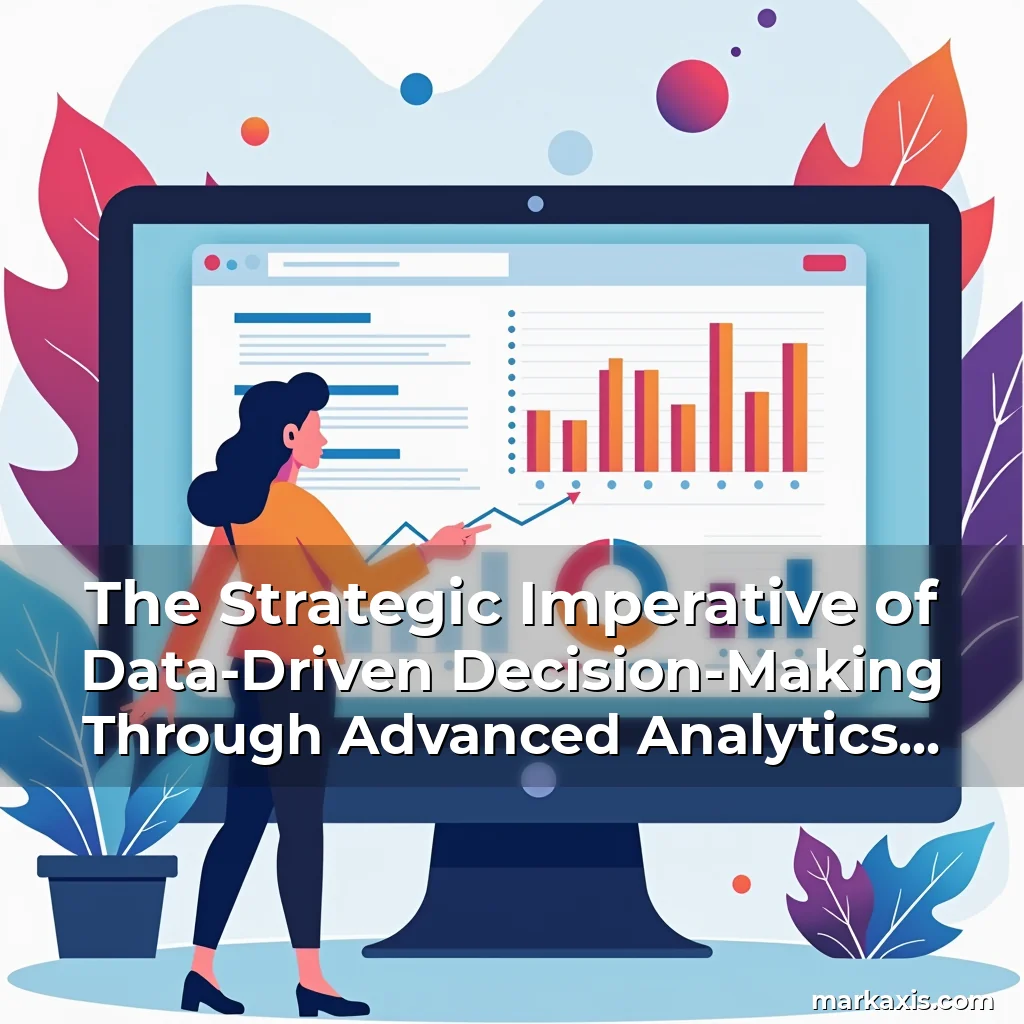
The Strategic Imperative of Data-Driven Decision-Making Through Advanced Analytics and Reporting
In an era defined by information overload, organizations that thrive are those that harness analytics and reporting as strategic tools rather than mere operational necessities. This article explores how advanced data analysis transforms raw numbers into meaningful insights that drive business decisions.
The modern landscape demands more than basic metrics; it requires intelligent interpretation of complex datasets to uncover hidden opportunities and mitigate risks effectively.
Fundamental Principles of Effective Analytics and Reporting
Analytics is not merely about collecting data but understanding its context within broader organizational goals. A robust framework begins with clearly defining objectives before implementing any analytical model.
Data quality remains paramount—imprecise or incomplete data leads to flawed conclusions regardless of sophisticated algorithms employed. Establishing rigorous validation processes ensures reliability at every stage.
Choosing appropriate KPIs tailored to specific industries enhances relevance while avoiding metric fatigue caused by tracking irrelevant indicators.
The Evolution from Descriptive to Predictive Analytics
Traditional analytics focused primarily on describing past events through historical data analysis. However, contemporary approaches emphasize predictive capabilities using machine learning techniques.
Predictive models enable businesses to forecast trends accurately by identifying patterns invisible to human observers. These forecasts guide inventory management, marketing strategies, and resource allocation efficiently.
- Machine Learning Integration: Algorithms continuously learn from new data inputs improving accuracy over time without explicit programming updates.
- Real-Time Processing: Streamlined architectures allow immediate processing of incoming data streams providing up-to-the-minute insights crucial during crises or market shifts.
Leveraging Visualization Techniques for Enhanced Communication
Raw numerical outputs often fail to convey critical messages effectively unless presented visually compellingly. Choosing suitable visualization methods bridges comprehension gaps between technical analysts and non-specialist stakeholders.
Different chart types serve distinct purposes—from line graphs showing temporal changes to heat maps highlighting geographical distributions. Selecting these wisely aligns visual storytelling with intended audience needs.
Selecting Appropriate Visual Tools
A dashboard displaying sales performance across regions might use bar charts comparing monthly figures against targets set earlier in the year. Interactive elements permit users to drill down further into individual product categories when necessary.
Tools such as Tableau offer drag-and-drop interfaces simplifying creation even for individuals lacking formal design training. Customizable templates ensure consistency across reports produced regularly by different teams.
Bridging Organizational Silos Through Unified Reporting Systems
Disparate systems storing fragmented data hinder cross-functional collaboration severely. Implementing unified platforms consolidates information sources creating single versions of truth accessible company-wide.
Cloud-based solutions facilitate real-time access enabling departments ranging from finance to customer service to view identical datasets simultaneously reducing miscommunication risks significantly.
Automated reconciliation features minimize manual entry errors ensuring all parties work off consistent baselines enhancing overall efficiency substantially.
Ethical Considerations in Modern Analytical Practices
With increasing reliance on automated decision-making powered by AI, ethical dilemmas surrounding bias detection become unavoidable challenges requiring proactive measures.
Transparent methodologies involving audit trails help identify where assumptions were made during modeling phases allowing third-party reviews verifying neutrality maintained throughout development cycles.
Compliance frameworks must evolve alongside technological advancements addressing concerns related to privacy breaches potential misuse of sensitive personal information collected unintentionally during routine operations.
Cultivating a Culture of Continuous Improvement via Feedback Loops
Establishing mechanisms for regular feedback allows continuous refinement of both analytical models themselves along with implementation strategies used post-analysis.
Periodic audits assess whether chosen KPIs still reflect current priorities accurately adjusting them whenever business conditions change externally due factors beyond control.
Encouraging open dialogue among staff fosters innovation as frontline workers frequently encounter issues unanticipated by upper-level executives unfamiliar with daily operations nuances.
Future Trends Shaping the Landscape of Business Intelligence
Rapid advancement in artificial intelligence promises transformative impacts reshaping traditional roles performed manually today towards semi-autonomous functions handled intelligently tomorrow.
Augmented reality overlays could soon provide immersive experiences letting managers visualize warehouse layouts dynamically updating based upon live stock levels tracked wirelessly through IoT devices embedded strategically around facilities.
Blockchain technology offers immutable records securing transactional integrity across global supply chains making fraud prevention easier through transparent verifiable histories accessible instantly anywhere anytime.
Conclusion
This exploration highlights how integrating advanced analytics seamlessly into everyday business practices empowers organizations to make smarter choices faster than ever imagined previously.
To stay competitive amidst relentless digital transformation waves sweeping across markets globally, adopting cutting-edge analytic capabilities becomes essential not optional anymore.


