The Evolution and Impact of Digital Advertising in Modern Marketing Strategies
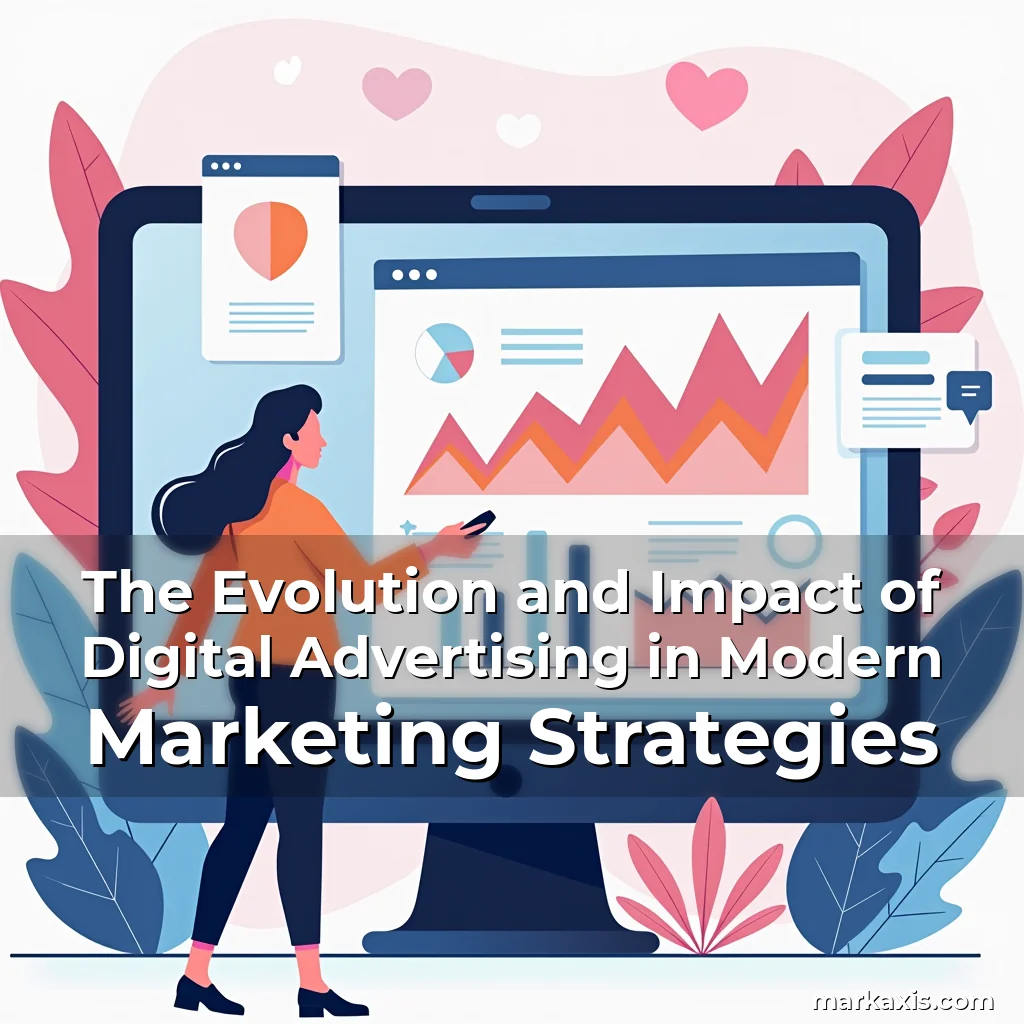
Digital advertising has revolutionized how businesses connect with consumers, transforming traditional marketing methods into dynamic, data-driven strategies. With over $600 billion spent globally in 2023 alone, digital ad spending continues to outpace conventional media formats.
This shift reflects not only technological advancements but also changing consumer behaviors that prioritize convenience, personalization, and real-time engagement across online platforms.
The Foundations of Digital Advertising
At its core, digital advertising leverages internet-based channels to promote products, services, or brands through targeted messaging. This approach enables marketers to reach audiences where they spend time—on websites, social networks, search engines, and mobile apps.
The foundation lies in understanding audience demographics, psychographics, and behavioral patterns to create campaigns that resonate deeply with potential customers. Unlike traditional media, digital ads allow for immediate feedback and optimization based on performance metrics.
- Audience Segmentation: By analyzing user data, advertisers can divide their target market into smaller groups with shared characteristics, enabling highly personalized messaging.
- Data Analytics: Real-time analytics tools provide insights into campaign effectiveness, allowing for quick adjustments to maximize return on investment (ROI).
Types of Digital Advertising Platforms
Digital advertising spans various platforms, each offering unique advantages depending on business goals and audience preferences. From display ads to video content, these platforms cater to diverse marketing needs.
Social media platforms like Facebook, Instagram, and LinkedIn have become essential for reaching both B2C and B2B audiences through tailored ad placements and interactive features such as polls and live streams.
Search Engine Advertising (SEA)
Sea focuses on paid listings within search engine results pages (SERPs) by bidding on keywords relevant to users’ searches. Google Ads remains the dominant player in this space due to its extensive reach and sophisticated targeting options.
Marketers benefit from SEA’s ability to capture intent-driven traffic, as users actively searching for products or services are more likely to convert compared to passive viewers of other ad formats.
Content Marketing vs. Paid Advertising
While both approaches aim to engage audiences, content marketing emphasizes creating value-rich material rather than direct promotion. Blog posts, videos, podcasts, and infographics fall under this category.
Paid advertising complements content marketing by amplifying visibility and driving traffic to high-quality content pieces. Strategic integration of both can enhance brand authority while maximizing lead generation opportunities.
The Role of AI and Machine Learning
Artificial intelligence is reshaping digital advertising through predictive analytics, automated bid management, and chatbots that simulate human interaction during customer service interactions.
Machine learning algorithms analyze vast datasets to identify trends invisible to humans, optimizing ad placement timing, budget allocation, and creative elements for better conversion rates.
- Programmatic Buying: Automated systems execute billions of ad transactions daily without manual intervention, ensuring optimal pricing and efficient resource utilization.
- Personalized Recommendations: Algorithms suggest product choices based on browsing history, past purchases, and similar user behavior patterns.
Ethical Considerations in Digital Advertising
As technology advances rapidly, ethical concerns around privacy invasion, misinformation spread, and psychological manipulation require careful attention from industry professionals.
Transparency in data usage policies becomes crucial when collecting sensitive information about individuals’ habits or beliefs for segmentation purposes. Advertisers must balance innovation with responsibility toward society at large.
- Data Privacy Laws: Regulations such as GDPR protect EU citizens against unauthorized tracking; compliance ensures legal safety across international markets.
- Truthfulness Standards: Misleading claims in advertisements violate fair competition principles and erode trust between brands and consumers alike.
Measuring Success Through Key Performance Indicators (KPIs)
Effectively measuring campaign success requires defining clear objectives aligned with overall business strategy before launching any initiative. Common KPIs include click-through rate (CTR), cost per acquisition (CPA), and return on ad spend (ROAS).
Regularly reviewing these metrics allows marketers to refine tactics continuously, focusing efforts where they yield highest returns while eliminating underperforming strategies promptly.
- Click-Through Rate (CTR): Measures percentage of impressions resulting in clicks; higher CTR indicates stronger relevance among displayed ads.
- Conversion Rate Optimization (CRO): Focuses improving website design & flow so visitors take desired actions after clicking through ads.
Trends Shaping Future Directions
Ongoing developments indicate several emerging trends poised to redefine digital advertising landscapes significantly over coming years. Voice assistants, augmented reality experiences, and blockchain technologies represent areas gaining traction quickly.
Voice commerce presents new challenges regarding keyword selection since natural language queries differ substantially from typed inputs used previously. Marketers need adaptability skills here too!
- Augmented Reality (AR): Allows virtual try-ons before purchasing physical items which enhances shopping experience dramatically especially fashion/electronics sectors.
- Blockchain Technology: Offers transparent record keeping capabilities useful for verifying authenticity claims made by companies promoting counterfeit-free goods.
Conclusion
Digital advertising stands as a powerful tool shaping contemporary marketing practices worldwide today. Its evolution mirrors broader societal changes driven by technological progressions alongside shifting expectations among modern consumers.
To thrive amidst rapid transformations occurring constantly within this field, staying informed about latest innovations coupled with consistent experimentation forms vital components towards achieving long-term growth objectives successfully.


